Homemade Ciabatta Bread
Homemade Ciabatta Bread is a rustic Italian loaf known for its golden, crisp crust and soft, chewy interior that’s easy to bake in your own kitchen.
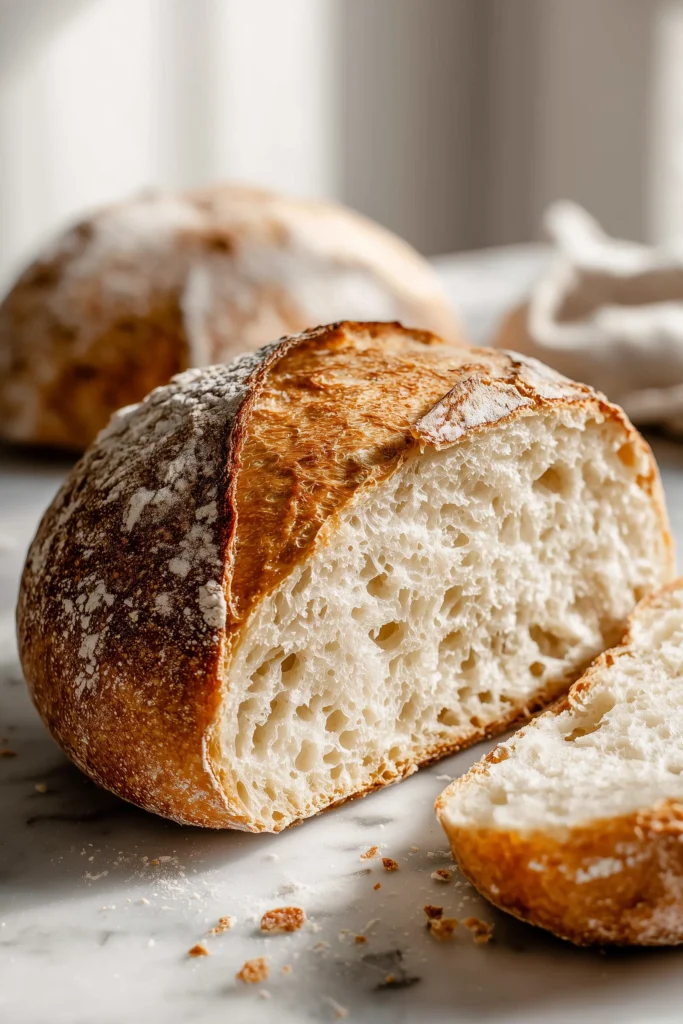
Imagine pulling a warm loaf from the oven, the aroma filling every corner, and hearing the satisfying crackle as you slice through that shattery crust. I still remember my mom’s flour-dusted hands and the joy of tearing into bread that felt like an everyday celebration those little moments inspired this recipe.
What makes this ciabatta special is its simplicity: no fancy equipment, just pantry staples and a few gentle folds that guarantee those big, beautiful holes. Whether you’re new to bread making or just craving pure comfort, you’re about to create something deliciously memorable let’s dive in together.
Why You’ll Love This Rustic Loaf
- Signature bakery texture at home: Expect a chewy interior, an open crumb with big, airy holes, and a golden, shatteringly crisp crust that makes every bite cozy.
- Irresistible aroma: The scent that fills your kitchen while it bakes? Pure, nostalgic magic like stepping into a small-town bakery on a winter morning.
- Beginner-friendly approach: No stand mixer or fancy gear required. This recipe is confidence-boosting and designed for home bakers who want success without stress.
- Comfort in every crumb: There’s something soul-soothing about tearing into a loaf you made yourself, with its rustic, imperfect beauty and warm, pillowy softness.
- Classic but never complicated: With just a handful of ingredients, this is bread that tastes and feels like home, any day you need a little extra warmth.
Ingredients You’ll Need
- Bread Flour
Classic ciabatta gets its airy crumb from bread flour’s higher protein but all-purpose flour works in a pinch, giving you a more tender result. - Active Dry or Instant Yeast
Either type will work beautifully; instant yeast makes things a bit speedier, while active dry needs a brief pre-bloom for reliability. - Olive Oil
Just a drizzle for coating your hands and spatula makes handling the sticky dough easier and adds subtle flavor (and that whisper of warmth in your kitchen air). - Extra Flour for Dusting
Sprinkle liberally to help shape the dough and to keep those magical floury handprints on your counter my favorite part of rustic baking.
These pantry staples create a dough so silky and fragrant, you’ll look forward to every step.
How to Make Homemade Ciabatta Bread
- Mix and prep the dough
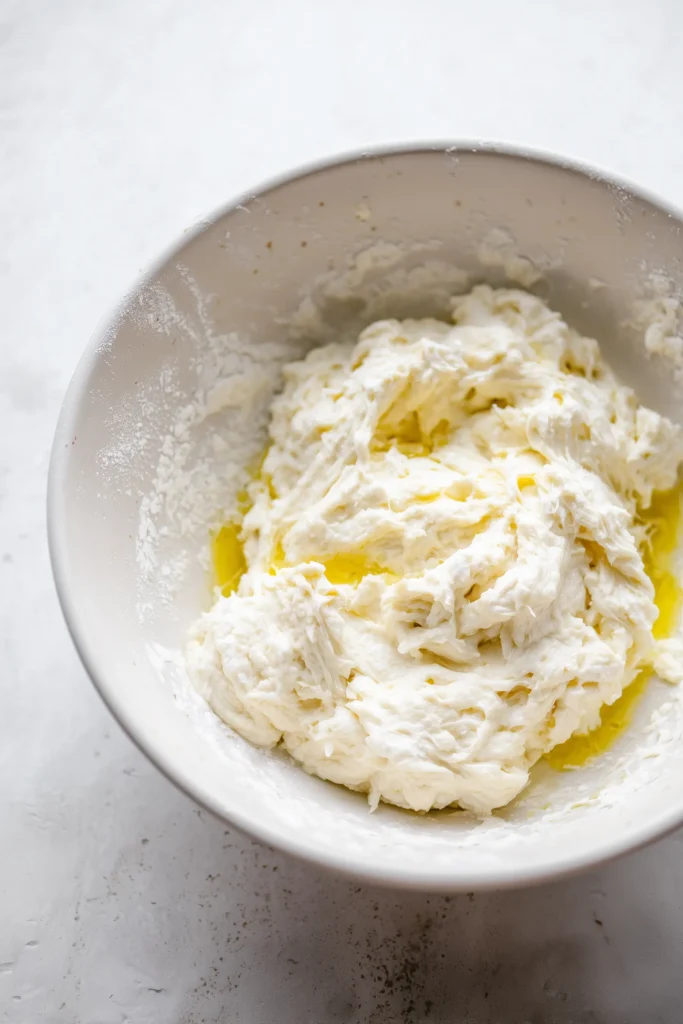
In a wide mixing bowl, bring together your flour, yeast, water, and a hint of olive oil. Use a spatula or your hands to blend until everything’s just moistened it’ll feel soft, wet, and delightfully sticky. Don’t worry, this is exactly how ciabatta dough should feel.
- Let it rise and bubble
Cover the bowl snugly and set it somewhere cozy. The dough will slowly come to life, forming a jumble of air bubbles and a sweet, yeasty aroma that fills the kitchen with bakery vibes. - Shape it rustic-style
Once your dough feels full of air, scrape it out onto a generously floured surface. Gently stretch it into a loose rectangle embrace any wobbles or odd shapes for that signature rustic look. - Final proof for perfect air pockets
Transfer your dough to floured parchment, letting it rest under a towel. It’ll puff up gently, coaxing out those gorgeous, airy holes inside. - Bake for golden crispness
Preheat your oven and prep the steam (which gives great crust!). Slide the dough in and watch for that deep, golden color and irresistible aroma. For another cozy bread project, check out Hot Honey Cheesy Bread.
- Visual cues to watch for
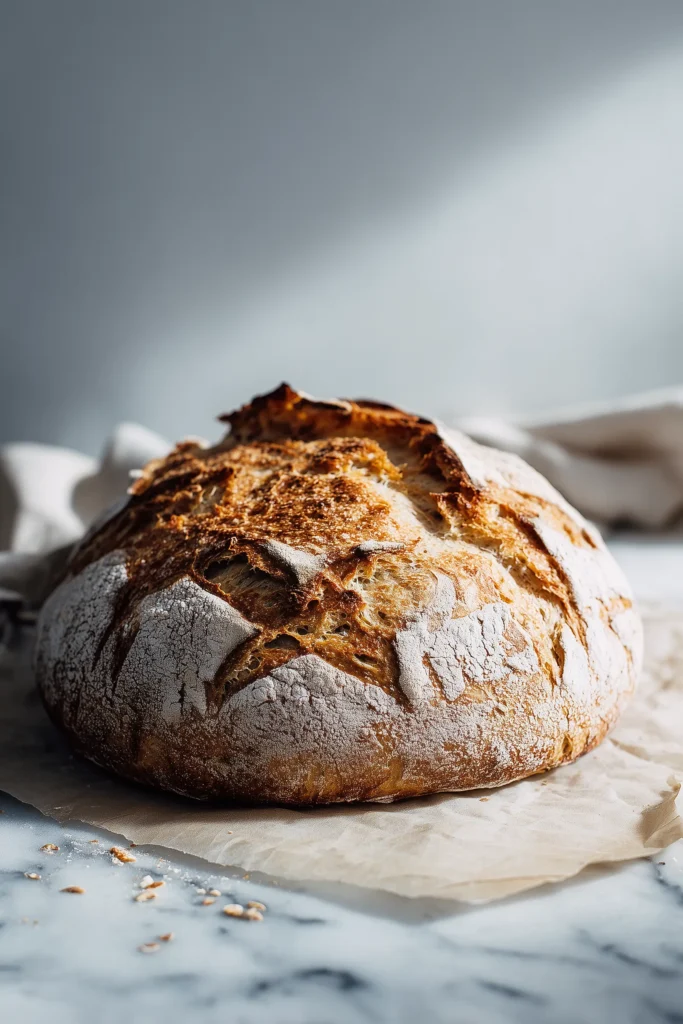
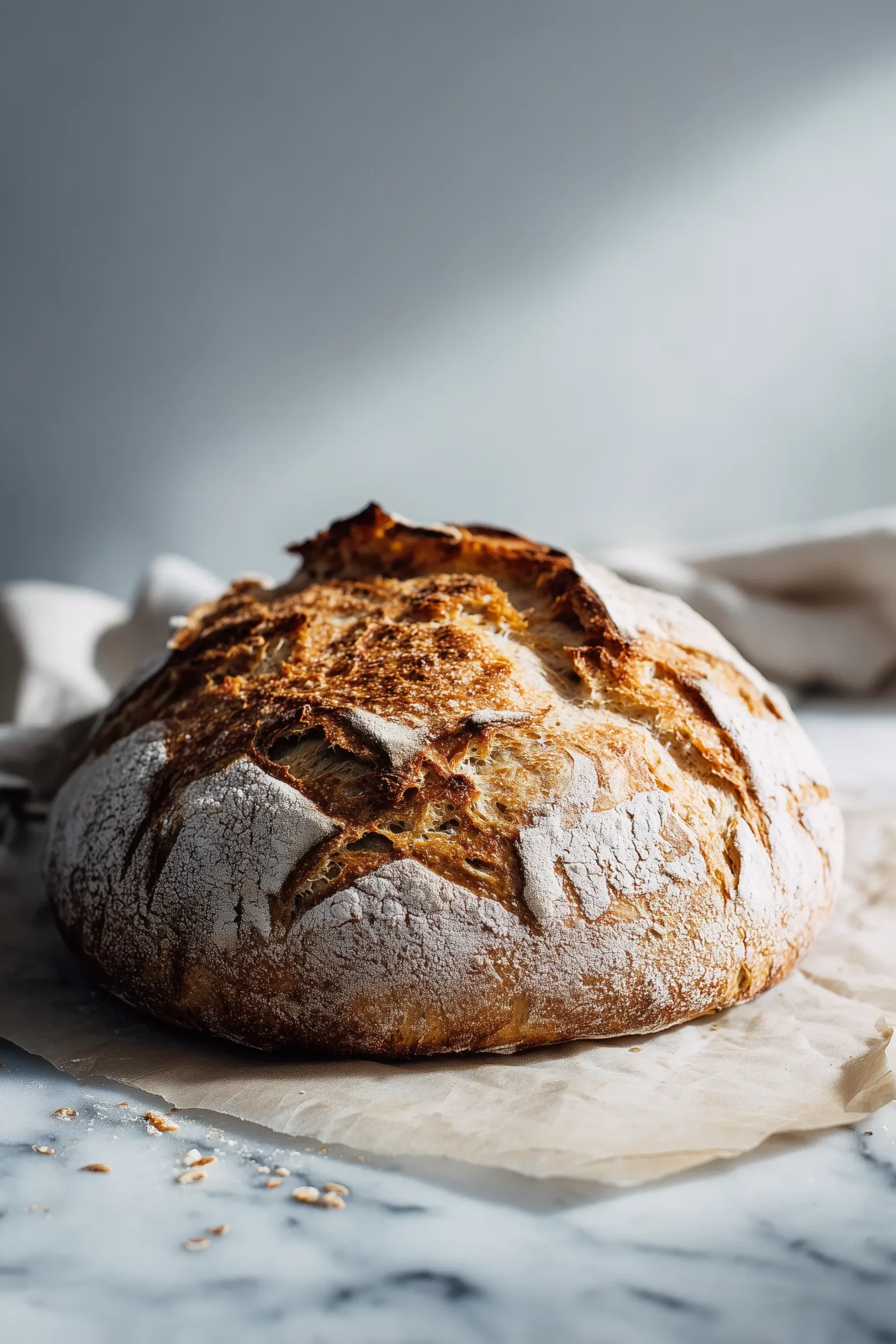
You’ll know your bread is ready by its crackling crust, deep gold hue, and a satisfying hollow sound when tapped on the bottom. Let it cool before slicing to reveal the pillowy, hole-riddled interior.
Tips for the Best Results
- Embrace sticky dough: Ciabatta is famously wet and sticker than your usual bread dough. Don’t panic! Coat your hands (and spatula) with a drizzle of olive oil just like a cozy trick passed down from Nonna and move gently. The dough’s softness is key to those dreamy, holey slices.
- Avoid a tough crust: If you crave that thin, shattery crust, be generous with steam. Scattering ice cubes in a pan at the bottom of your oven creates bakery magic and helps keep the crust from getting too thick.
- Dream of big air pockets: Resist the urge to overwork the dough while shaping. Use a delicate hand to maintain those bubbles during the final rise, and never press or knead beyond a gentle stretch.
- Simulate bakery quality: Preheat your baking surface for a long time and use parchment these tiny details bring you closer to that classic Italian texture right at home. For more dough confidence, check out my Brioche Doughnuts guide!
Variations & Substitutions
Herb-Infused Magic: Fold in finely chopped fresh rosemary, thyme, or savory roasted garlic right before shaping for a fragrant, bakery-style loaf that fills your kitchen with cozy aromas.
Whole Wheat or Spelt Swap: Replace up to half of the bread flour with whole wheat or spelt for added heartiness and a gentle, nutty flavor. The crumb will be a touch denser, but so satisfying.
Mini Ciabatta Rolls: Shape the dough into smaller rectangles for adorable, rustic sandwich rolls just right for lunchboxes or soup dunking. The process is simple, and the results are cute enough for a side platter.
Cheese or Olive Studded: Tuck cubes of nubbly mozzarella or scatter pitted Kalamata olives into the dough for bursts of savory goodness. The salty, cheesy pockets are such a joyful surprise in every bite.
If you love getting creative with classic recipes, you might also enjoy my Homemade Cinnamon Rolls for a sweet twist on bakery favorites!
Storage & Reheating Tips
- Room Temperature Storage: Keep your Homemade Ciabatta Bread loosely covered in a bread bag or paper bag on the counter to preserve that signature crispy crust. Avoid plastic unless you prefer a softer, chewier exterior.
- Fridge Storage: For longer freshness (up to a week), wrap your loaf gently in a clean kitchen towel, then place inside a bread box or covered container. This helps maintain a balance between moisture and texture.
- Freezing for Later: Slice before freezing for easy access. Tuck slices or loaves into freezer bags, squeeze out the air, and freeze for up to two months. Thaw on the counter for best texture.
- Reviving Stale Bread: Bring yesterday’s bread back to life by misting with a little water and popping it into a hot oven for a few minutes hello, fresh-baked bliss! For another revival trick, peek at my Bagels Recipe for more tips on homemade bread storage and reheating.
Perfect Pairings
- Dunk into cozy soups: Thick slices of homemade ciabatta are perfect for soaking up rich broths nothing feels more comforting on a chilly day with a bowl of tomato soup or creamy chowder nearby.
- Build the ultimate sandwich: The chewy crumb makes a rustic, sturdy base for epic paninis or stacked deli sandwiches think smoky turkey, melty provolone, and a swipe of herby mayo.
- Elevate with crostini magic: Brush slices with olive oil and toast under the broiler until golden. Top with juicy tomatoes, whipped goat cheese, or slow-roasted garlic for an appetizer that everyone will remember.

- Spread on the goodness: Homemade ciabatta loves homemade spreads and butters. Try it with berry jam in the morning, herbed compound butter at dinner, or go savory-sweet and make Alton Brown’s French Toast for a divine brunch treat.
- Serve beside fresh salads: Tear into pillowy chunks and serve alongside crisp green salads. Perfect for sopping up tangy vinaigrette and making the simplest lunch feel special.

Homemade Rustic Ciabatta Bread
Ingredients
Equipment
Method
- In a large mixing bowl, whisk together the bread flour and yeast. Add the water and mix with a silicone spatula until combined. Cover the bowl tightly with plastic wrap and let rest at room temperature for 8–24 hours.
- Uncover the bowl with the biga. In a separate large mixing bowl or the bowl of a stand mixer fitted with a dough hook, whisk together the yeast and warm water. Cover and let sit for 5–10 minutes until the yeast has dissolved. Add the biga, flour, and salt. Mix with a spatula, wooden spoon, or dough hook until combined and uniform. If needed, grease hands with olive oil and finish kneading lightly. Dough will be wet and sticky.
- Cover the bowl and let the dough rest for 30 minutes at room temperature.
- With an olive oil-greased spatula or hands, stretch and fold the dough at four ‘clock’ positions, turning the bowl between each fold, for a total of 8 folds. Cover and rest 30 minutes.
- Repeat the stretch-and-fold process three more times, resting 30 minutes between each. After the final fold, cover the bowl and refrigerate for at least 1 hour, up to 24 hours.
- Generously flour your work surface. Gently turn the dough out, sprinkle flour on top, and shape into a rough rectangle about 10×7 inches. For rolls, cut into 8 pieces; for loaves, cut in half for two rectangles.
- Lightly flour parchment. Using floured hands and a bench scraper, transfer dough rectangles to parchment, spacing well apart. Gently reshape if needed.
- Sprinkle dough with flour and cover with a towel or parchment. Rest at room temperature for 1 hour.
- Position oven racks and place baking sheet in middle rack. Preheat oven to 450°F (232°C) for about 1 hour before baking.
- Scatter ice cubes in a metal pan for steam and place on bottom rack. Uncover dough, mist with water (optional). Quickly slide parchment and dough onto hot baking sheet in the oven. Quickly add ice tray to oven and close door to trap steam.
- Bake for 20–25 minutes or until golden brown and hollow-sounding. For accuracy, internal temp should reach 205–210°F (96–99°C).
- Remove from oven and let cool at least 45 minutes before slicing for best crumb texture.
- Store loosely covered at room temperature up to 5 days, or refrigerate up to 1 week.
Nutrition
Notes
Tried this recipe?
Let us know how it was!Can I make ciabatta bread without a stand mixer?
Absolutely! Ciabatta dough is meant to be sticky and can be mixed by hand with a sturdy spatula or your fingers. It’s a bit messy but so rewarding embrace the soft, sticky texture and use a drizzle of olive oil on your hands for easier handling.
Why is my ciabatta bread dense instead of airy?
A dense loaf usually means the dough was either overworked or didn’t rise quite enough. Next time, be gentle when shaping those big bubbles are precious! Allow plenty of time for both rises, and trust the dough to puff up at its own cozy pace.
Can I add flavors like herbs or cheese to ciabatta?
You sure can! Gently fold in chopped fresh herbs, roasted garlic, morsels of cheese, or chopped olives right before shaping. The add-ins swirl through the airy dough, turning each slice into a fragrant, savory bite that’s extra special fresh from your oven.
How do I keep the crust crispy after baking?
Let your bread cool completely on a wire rack, uncovered, so steam escapes and the crust stays shatteringly crisp. If storing overnight, use a paper bag or bread bag plastic makes it chewy. For a quick fix, rewarm slices in a hot oven for a freshly baked crunch.