Ultra-Crispy Roasted Cabbage Steaks (Cozy, Budget-Friendly, Weeknight Easy)
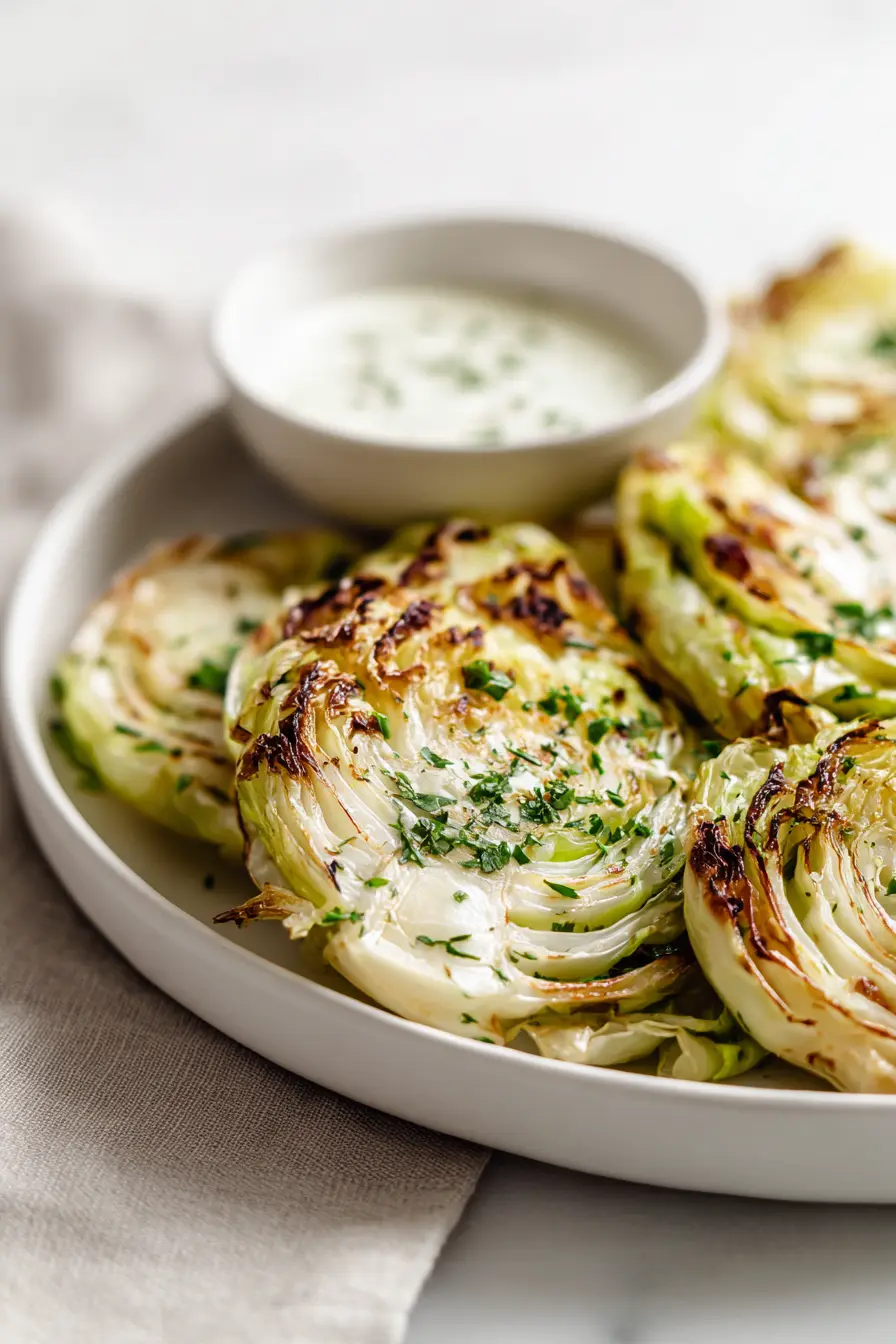
Roasted Cabbage Steaks are thick slabs of cabbage oven-roasted at high heat until the edges turn deeply caramelized and the centers become tender and sliceable.
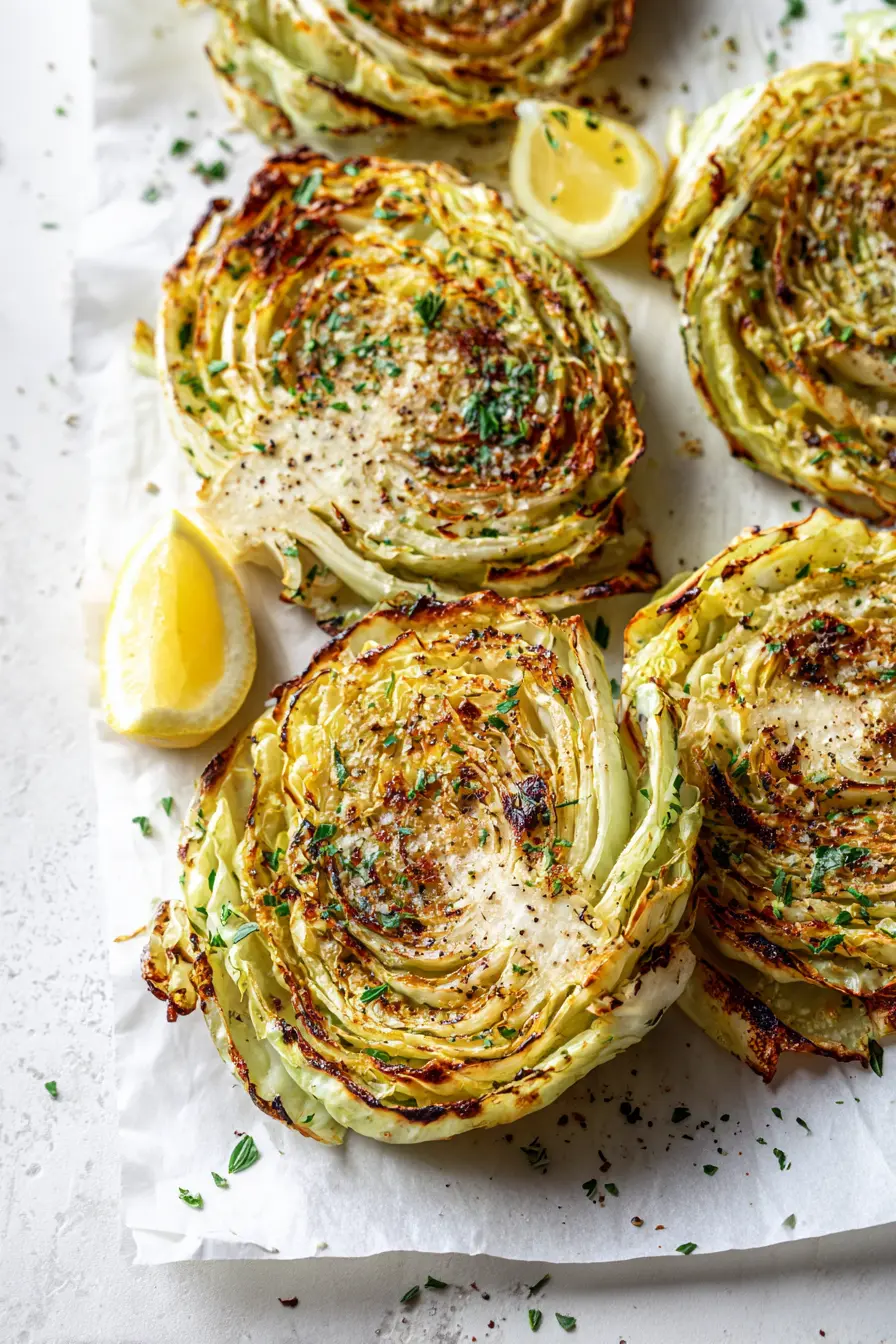
You get crinkly, lacy edges that crackle, a nutty-sweet aroma, and a cozy, steakhouse vibe with every golden bite.
I started making them in my tiny New York kitchen on a chilly weeknight, and a friend whispered, “Nessy, this tastes like home,” over the warm sheet pan.
What makes mine special is effortless technique—one sheet pan, generous space for airflow, and high heat that coaxes deep browning; it’s weeknight-easy and air-fryer friendly for re-crisping.
Pull up a chair and let me show you exactly how to get crisp, caramelized edges and plush centers every single time.
Why these cabbage steaks belong in your cozy dinner rotation
- Weeknight-easy comfort: One head, one sheet pan, and you’re on your way to a budget-friendly dinner that smells like home as it roasts.
- Big flavor, simple ingredients: Expect caramelized edges, tender centers, garlicky warmth, buttery richness, and a whisper of smoky depth with every bite.
- Foolproof technique: High heat, enough oil, and space on the pan encourage the Maillard reaction, giving you crisp, golden edges without fuss.
- Flexible serving moments: Make them the veggie main, a steakhouse-style side, or a sturdy meal-prep base for bowls, grains, and proteins.
- For every cook: Perfect for beginners, veggie lovers, and even “I-don’t-like-cabbage” skeptics who just haven’t met it roasted yet.
Ingredient breakdown & easy swaps
- Core players: cabbage, a good glug of oil or melted butter, garlic, herbs, salt, and pepper. Smoked paprika adds cozy, steakhouse vibes.
- Best cabbage: Green is sturdy and caramelizes reliably; Savoy gets lacy, tender edges; red works too but can tint your pan and tastes a bit brassier.
- Fats for caramelization: Olive oil for flavor, avocado oil for higher heat, ghee or melted butter for nutty, golden edges.
- Flavor boosters: Lemon zest or a squeeze to brighten, Parmesan for savory depth, red pepper flakes for heat, or your favorite spice blend.
- Budget-friendly swaps: Use dried herbs, garlic powder, or onion powder; any neutral oil works; skip Parmesan and finish with extra salt and lemon.
- Picking and prepping: Choose a heavy head with tight, vibrant leaves. Firmness means cleaner slices; trim ragged outer leaves.
- Keep the core: Leave a bit of the core so each steak holds together, then slice into even slabs.
- Thickness matters: Aim for about thick steaks—thinner ones crisp more, thicker ones get plush, tender centers.
- Pantry toppers: Finish with feta, Parmesan, toasted nuts or seeds, and fresh herbs. Drizzle yogurt sauce, tahini, balsamic, or pesto, and dial garlic or spice up or down for kids vs. heat-lovers.
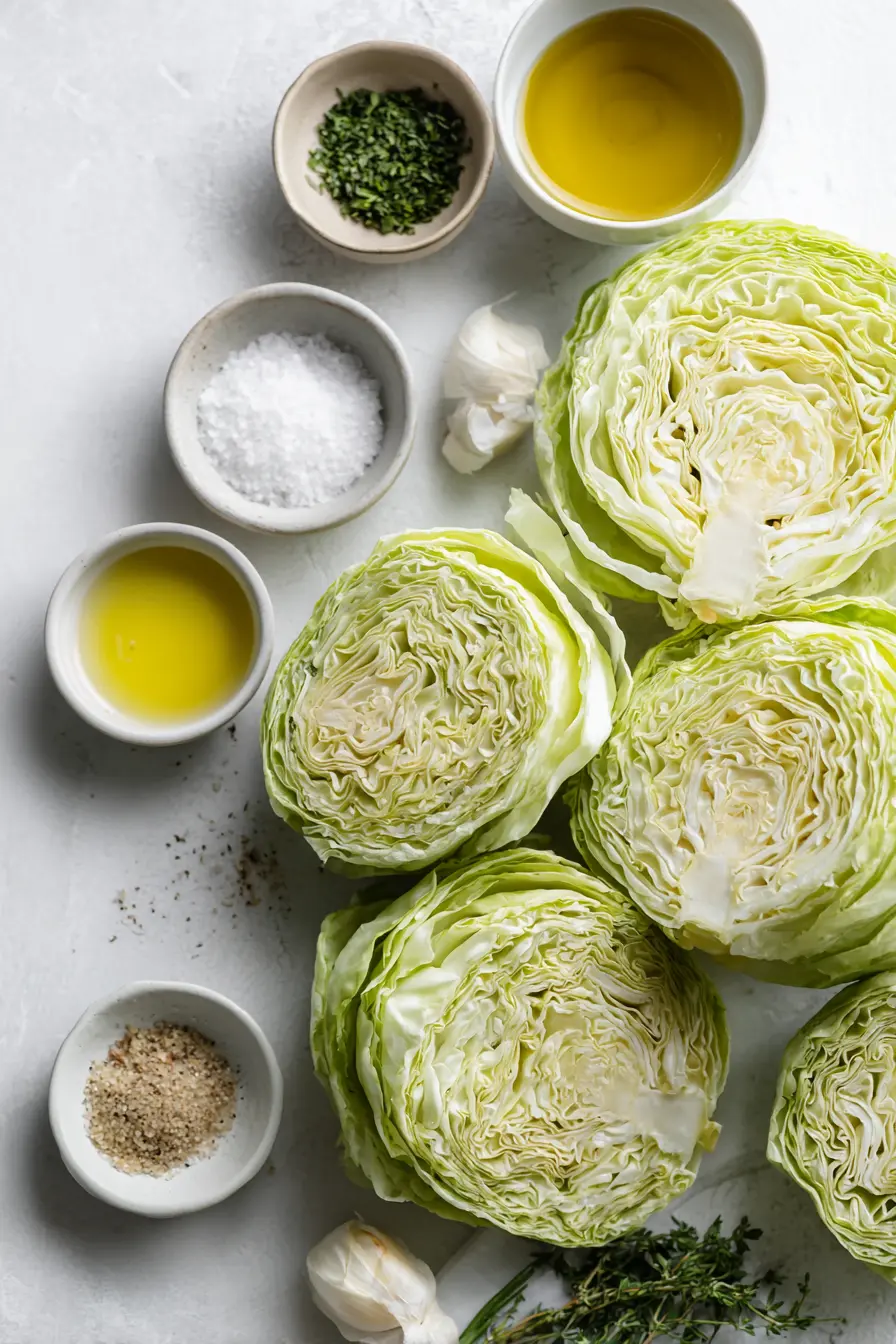
How to roast cabbage steaks step by step
- Preheat and prep the pan
Heat the oven on the hotter side and set a rack in the upper-middle position. Use a heavy sheet pan; line with parchment for easy cleanup or lightly oil for extra browning.
- Trim and keep the core
Peel away any wilted outer leaves and tidy the stem end. Keep the core intact so each steak holds together.
- Slice into sturdy “steaks”
With a large, sharp knife, cut thick, even slabs straight through the core. Aim for pieces sturdy enough to lift but not so thick they’ll stay tough.
- Stir up garlicky goodness
Mix olive oil or melted butter with minced garlic, smoked paprika, black pepper, and salt until glossy and fragrant. This becomes your brush-on flavor.
- Give the steaks breathing room
Arrange slices flat on the pan with space between so steam can escape. Tuck any stray fronds underneath to prevent premature scorching.
- Brush and season like you mean it
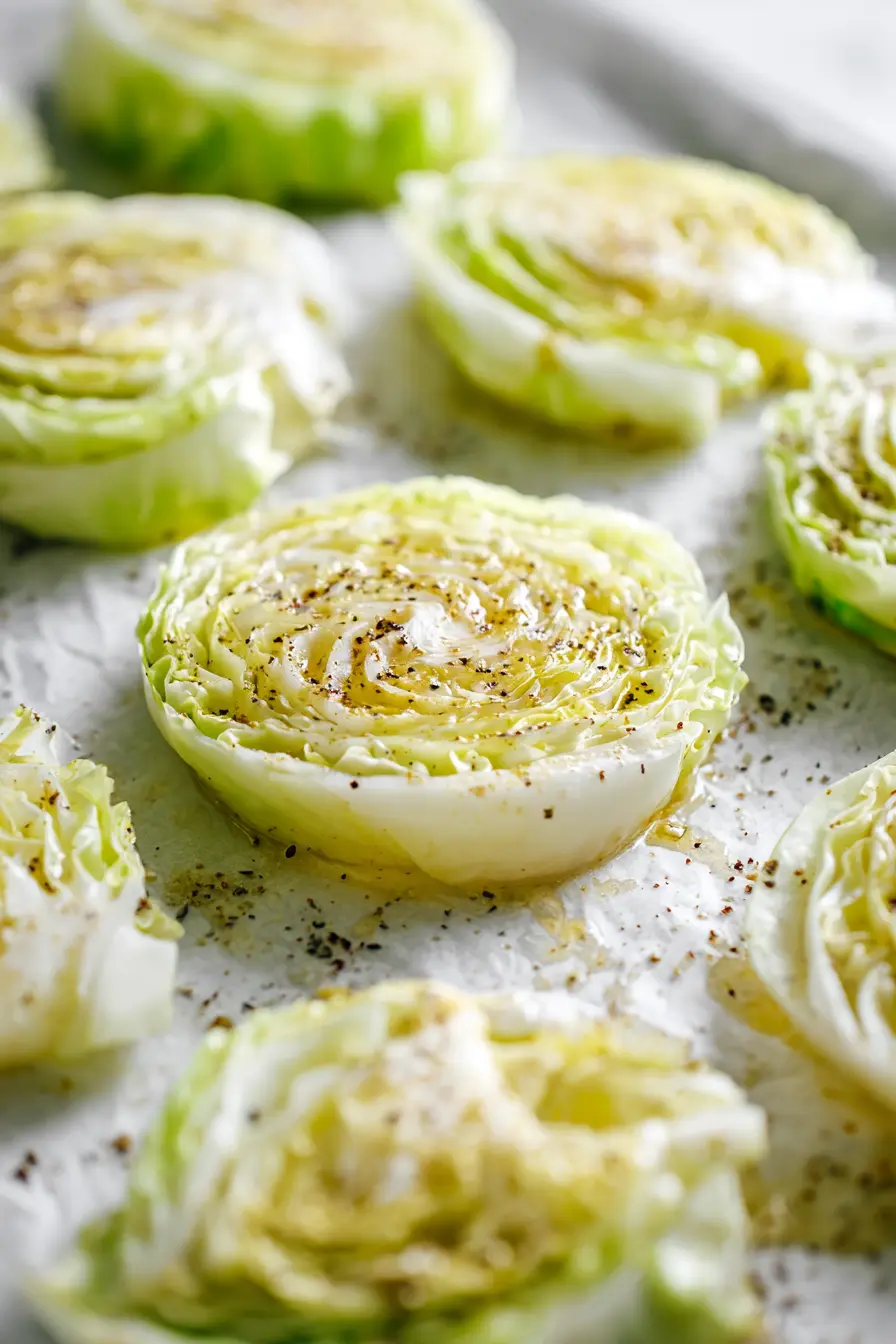
Brush both sides generously, letting the oil seep into the leaves and around the core. Add a light extra pinch of salt on the flat surfaces for balanced flavor.
- Roast for deep color
Slide the pan into the hot oven and let the heat sear the undersides for caramelization. Rotate the pan if your oven runs uneven.
- Flip (or don’t) for your ideal finish
Flip once for even browning on both sides, or leave as-is for one super-caramelized face. Re-space pieces after flipping to keep air circulating.
- Check doneness with your senses
They’re ready when a knife slips into the centers with gentle resistance, edges look frizzled and coppery, and the aroma turns nutty-sweet.
- Finish and garnish
Rest briefly so juices settle, then add a final drizzle of oil or melted butter and a bright squeeze of lemon. Shower with parsley, chives, thyme, Parmesan, or chili flakes and serve warm.
My cozy kitchen tips for the best results
- Bold hook phrase: Give them breathing room—single layer, no overlap, and pat dry; moisture causes steam, not char.
- Bold hook phrase: Oil for shine, not puddles—brush until surfaces glisten; it fuels caramelization without greasiness.
- Bold hook phrase: Preheat the pan—a hot sheet jump-starts browning and crisp, frizzled edges.
- Bold hook phrase: Thickness = timing—thin steaks cook quicker and crisper; thicker need longer. Flip once and rotate pans.
- Bold hook phrase: Save the edges, cook the centers—if edges darken early, lower heat slightly or tent with foil to finish.
- Bold hook phrase: Flavor like a pro—finish with lemon, parsley, or Parmesan; a dab of garlic-herb butter tastes restaurant-worthy.
- Bold hook phrase: Kitchen Testing Note—I crowded two heads on one pan and got floppy slices. Space them out for golden magic.
Easy twists and flavor variations
- Garlic-Parmesan, melty and golden: Brush with garlicky butter or olive oil, then shower with finely grated Parmesan near the end so it melts into lacy, toasty edges. Finish with a little lemon for lift.
- Smoky paprika or everything bagel: Double down on smoked paprika for deep, campfire warmth, or sprinkle everything bagel seasoning right after flipping so the seeds toast and cling. A tiny extra gloss of oil helps it stick.
- Mediterranean spin with feta, olives, and lemon: Crumble salty feta over hot steaks, add chopped Kalamata olives, and zest a lemon over the tray. A pinch of dried oregano or dill makes it taste like summer.
- Dairy-free, vegan, and gluten-free: Use olive or avocado oil and swap cheese for nutritional yeast or a vegan Parmesan. Most spice blends are naturally gluten-free, but check labels, especially for everything bagel mixes.
- Turn it into a full meal: Top with crispy chickpeas or white beans, lemony shrimp, or sliced grilled chicken. Serve over quinoa, farro, or garlicky mashed potatoes, or crown with a jammy egg for cozy protein.
Storing leftovers & reheating without losing the crisp
- Cool quickly — Spread on a wire rack in a single layer so steam escapes; don’t stack.
- Fridge — Shallow airtight container with parchment between pieces; enjoy within 3–4 days.
- Reheat, oven — Hot sheet pan, light brush of oil or butter, roast until edges re-crisp.
- Reheat, air fryer or skillet — Single layer; air fry until snappy, or pan-sear in a thin gloss of oil, uncovered.
- Avoid — Skip the microwave and tightly covered reheats; they turn limp and cabbagey.
- Freezer — Not ideal. If needed, freeze flat, then bag; reheat from frozen in a hot oven or air fryer, or use in soups/hashes.
How to serve these on busy nights or cozy weekends
- Weeknight protein pairings: Add pan-seared salmon, rotisserie chicken, garlicky shrimp, or crispy chickpeas for a quick win.
- Grains and greens: Nestle the steaks over fluffy quinoa, farro, or mashed potatoes with a lemony arugula salad on the side.
- Build-a-bowl base: Layer with hummus or tahini, pickled onions, and a soft-boiled egg for a cozy, saucy bowl.
- Main event vs. easy side: Make it a main with protein and a drizzle of pesto; keep it a side beside steak or meatloaf.
- For gatherings and meal prep: Serve on a platter with herb butter and Parmesan for holidays, or pack with rice and chimichurri for lunches. Peek at more cabbage recipes for inspo.
Why do my roasted cabbage steaks taste bitter?
Your cabbage might be old or you might be sensitive to its natural compounds. Don’t worry, a simple fix can balance this. When I test recipes, I find that a finishing drizzle of balsamic glaze or a tiny bit of maple syrup beautifully counteracts any slight bitterness, making the flavor perfectly sweet and savory.
What if the core of my cabbage steak is still tough?
This usually means the steak was too thick for the initial roasting time. You can easily fix this without burning the edges. In my kitchen, I simply add a tablespoon of water to the hot pan and cover it with foil for 5 minutes. The resulting steam gently finishes cooking the core to tender perfection.
Can I prepare cabbage steaks ahead of time?
Yes, you can slice the cabbage steaks up to two days in advance. For the freshest texture, I store the raw, unseasoned slices in an airtight bag in the crisper drawer. Just wait to brush them with the oil and seasonings right before roasting to ensure they get those lovely crispy edges.
How do I keep my cabbage steaks from falling apart?
The secret is to leave a significant portion of the core intact on each slice. Think of the core as the glue holding the leaves together. When I first made these, I trimmed too much! Now, I only slice off the very bottom dry part of the stem, ensuring the core holds every steak together.

Roasted Cabbage Steaks
Ingredients
Equipment
Method
- Preheat the oven to 400ºF/200ºC. Line a baking sheet with parchment paper.
- Remove any loose, shriveled, or darkened outer leaves from the cabbage. Cut into thick slices (about 3/4–1 inch) as evenly as possible with a sharp knife.
- In a small bowl, combine olive oil, grated garlic, salt, smoked paprika, and black pepper. Whisk well.
- Arrange the cabbage slices on the baking tray in a single layer.
- Use a pastry or silicone brush to liberally brush the seasoning over both sides of the cabbage pieces.
- Roast at 400ºF/200ºC for 25–30 minutes, until relatively tender and golden on both sides. Optionally sprinkle with fresh thyme and serve.