Sauteed Asparagus: Tender-Crisp, Bright, and Foolproof
Sauteed Asparagus is a quick stovetop side featuring tender-crisp spears seared in a hot skillet for light char and a bright, savory finish.
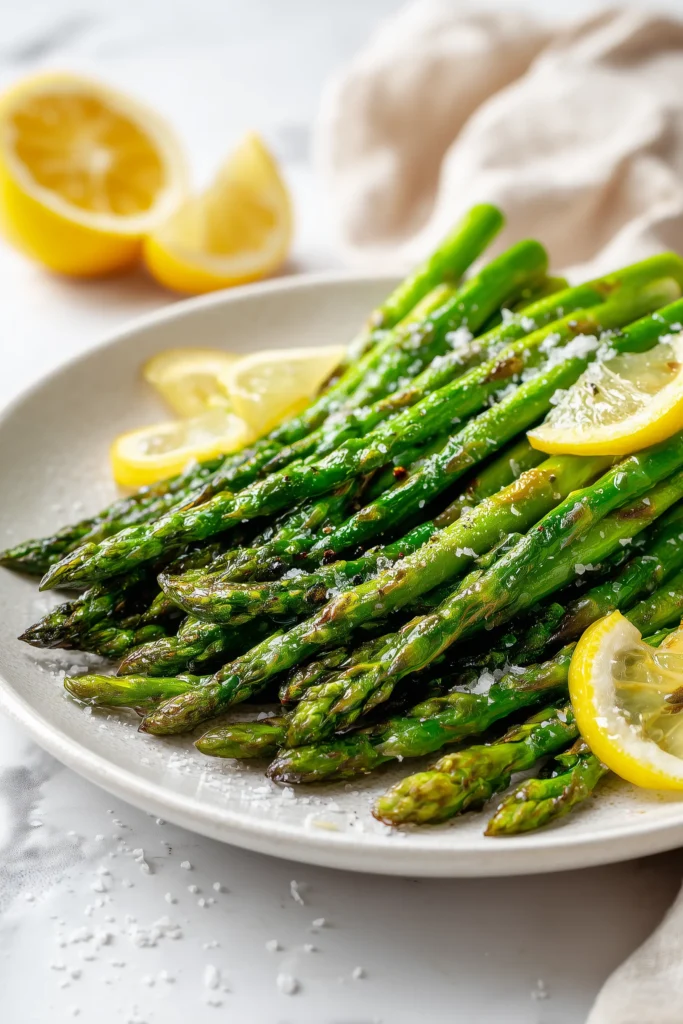
Each bite snaps softly, tips are juicy and sweet, the pan smells warm and toasty, and the sheen is glossy with just-kissed char. I learned this on weeknights in my tiny New York kitchen, when a five-minute sizzle could turn a tired day into something cozy and green. Now, here’s the thing: my method keeps heat high and hands off, uses a roomy cast-iron skillet for even browning, and finishes with a quick lift of acid so peak spring flavor sings. If you’re craving a bright, feel-good green that loves everything from roast chicken to pasta, come close I’ll show you exactly how to nail it.
Why this simple side dish belongs in your weeknight rotation
- Tender-crisp in minutes: A quick sizzle in olive oil gives asparagus lightly charred edges and a juicy snap; a squeeze of lemon makes everything taste bright.
- Cozy, feel-good vibes: Warm skillet aromas and a glossy olive-oil sheen make this side homey and special exactly the simple comfort Nessy Recipes is all about.
- Fits every table: Perfect for busy weeknights, breezy spring dinners with peak spring produce, and holiday spreads when you want a fresh, green counterpoint.
- Beginner-tested, skeptic-approved: Minimal steps and forgiving timing win over veggie skeptics and thrill asparagus lovers see more easy vegetable side dishes.
Ingredient breakdown & easy swaps
Asparagus is the star, bringing a grassy sweetness that turns tender-crisp with little charred kisses. A splash of olive oil gives a glossy sear and fruity flavor. Butter adds cozy, milky richness, while ghee delivers that buttery taste with a higher smoke point for extra browning. Garlic is optional but wonderful, blooming right at the end so it stays fragrant. Lemon brightens everything, and a simple pinch of salt and pepper wakes up the natural flavor.
For the freshest bunch, look for firm spears with tightly closed tips, vibrant green color with a hint of purple at the crowns, and snappy ends. Choose spears with similar thickness so they cook evenly. Get more shopping confidence with this guide to how to choose fresh produce.
Easy add-ins to make it your own: shave parmesan for salty nuttiness, sprinkle red pepper flakes for gentle heat, toss in chopped herbs like dill, parsley, or basil, or finish with toasted almonds or pine nuts for crunch.
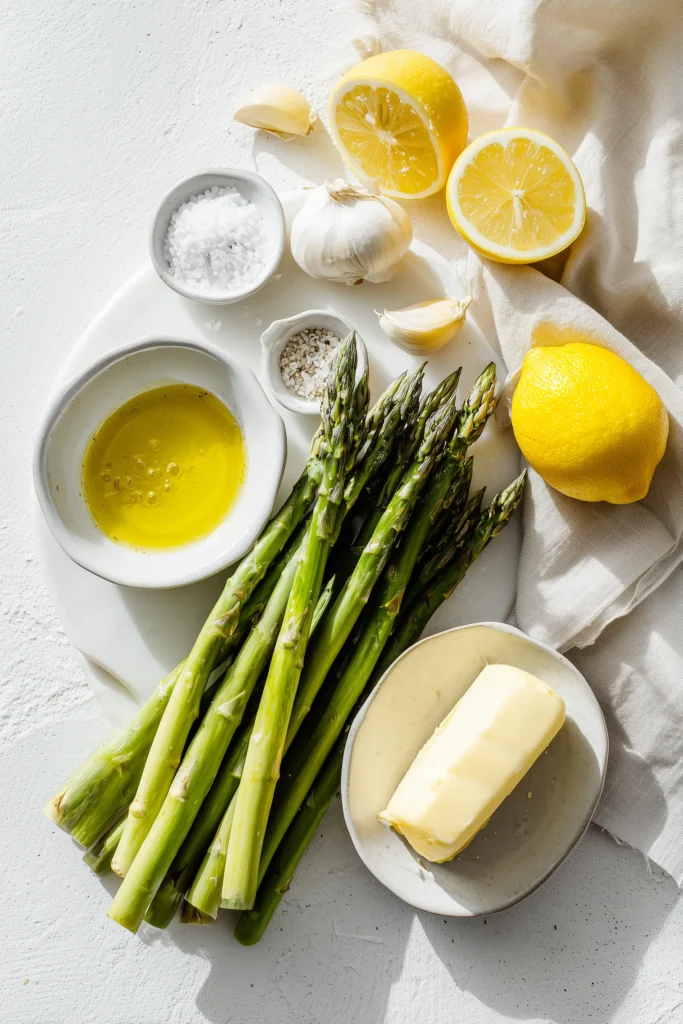
Step-by-step: from fridge to skillet to table
- Bold Prep the spears
Rinse the asparagus, shake off water, and pat completely dry for better searing. Snap off the woody ends where they naturally break, or line up and slice them away in one cut. - Bold Heat the right pan
Set a heavy skillet on the stove and add a slick of oil; wait until it shimmers and moves easily. Swirl to coat so every spear gets contact with the hot surface. - Bold Sear without crowding
Lay the asparagus in a single layer so it kisses the pan. Let it take on color, then toss or roll occasionally for even browning and tender-crisp texture. - Bold Season smartly
Sprinkle with salt and a few grinds of pepper as it cooks to wake up the grassy sweetness. If the spears are thick, cover briefly to soften the cores, then uncover to re-crisp. - Bold Watch the color cues
You’re looking for a bright, glossy green with a few tiny charred spots. Tips should feel tender yet springy when pinched with tongs, never soft or wilty. - Bold Add flavor in the pan
Scoot spears aside, add a touch more oil and minced garlic to the center, and stir until fragrant. Toss everything together, then remove from heat and finish with a squeeze of lemon. - Bold Optional cozy extras
Shower with grated parmesan for a salty finish, or melt in a dab of butter for sheen. Red pepper flakes add a gentle, warm hum. - Bold Nail the feel, every time
Thin spears cook in a flash; thicker ones need an extra beat or a quick covered moment. New to this? Skim my stovetop cooking basics for confidence-building cues.
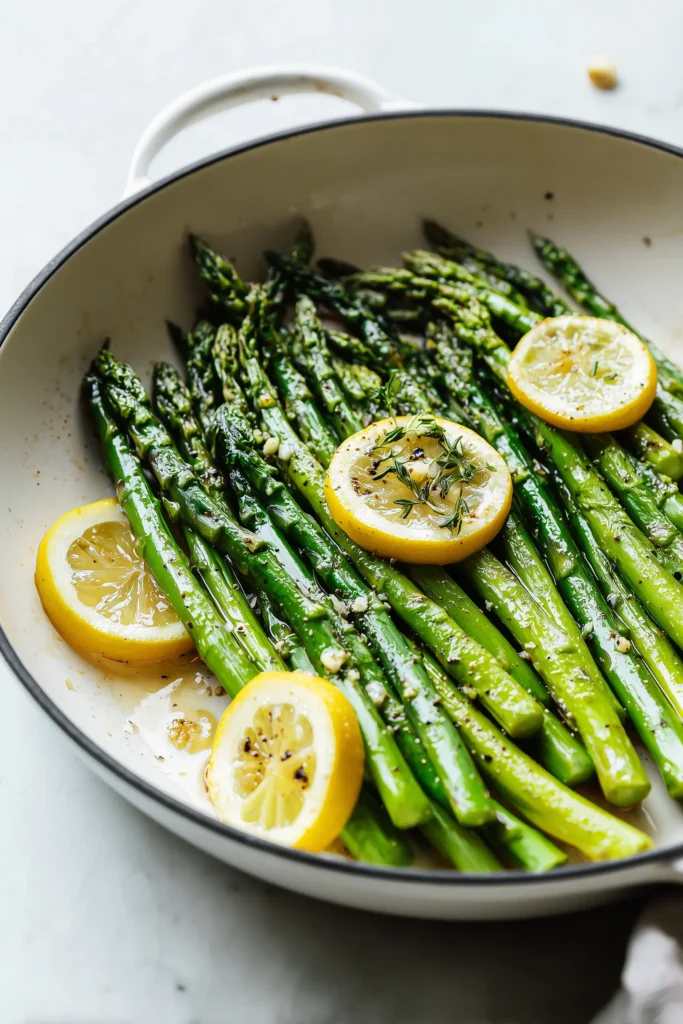
My cozy-kitchen notes for foolproof asparagus
- Give them breathing room. Crowding steams; use a wide skillet or two batches. New to heat control? See beginner cooking tips.
- Go hot, stay dry. Preheat until oil shimmers, then add well-dried spears for tiny charred spots and tender centers.
- Stop a beat early. When vivid green with a slight bend, cut the heat and let carryover finish.
- Balance salt, acid, fat. Salt early, finish with lemon for sparkle and a silky swirl of olive oil. Parmesan optional.
- Kid friendly, skeptic approved. Slice into small coins, finish with butter and light parmesan, or swap pepper for gentle garlic.
- Kitchen Testing Note. I used damp spears on timid heat once limp city. Pat dry, go hotter, get sweet char.
Flavor twists & ingredient makeovers
- Garlic-Parmesan Crunch: Sizzle minced garlic in oil, add asparagus, then dust with finely grated Parmesan and a sprinkle of panko. Let it sit briefly so the cheese forms a little golden crust.
- Fresh Herb Garden: Off the heat, fold in dill or parsley for brightness; basil for sweet perfume; thyme for woodsy depth. A thread of olive oil helps the herbs cling and shine.
- Spicy Kick: Bloom red pepper flakes in the oil at the start for warm heat, or finish with a swirl of chili oil. Lemon juice keeps it lively, not heavy.
- Lemon-Butter or Lemon-Pepper: Swap part of the oil for butter so the tips caramelize and taste extra cozy. Finish with zest and lots of cracked pepper for a citrusy, peppery pop.
- Dairy-Free, Vegan, Low-Sodium: Use olive oil only, then shower with nutritional yeast and toasted almonds for nutty, cheesy vibes. Lean on lemon, black pepper, and fresh herbs to season, and explore more flavor variation ideas.
Keeping leftovers fresh and tasty
- Cool quickly: Spread the sauteed asparagus in a single layer on a plate or sheet pan so steam escapes. Once just warm, transfer to storage.
- Best containers: Use a shallow, airtight container lined with a paper towel to catch moisture; arrange tips on top. For more smart storage, see how to store leftover vegetables.
- Fridge life: Keep in the refrigerator for 3–4 days. The tender-crisp snap will mellow a bit each day.
- Reheat — skillet: Warm with a slick of oil over medium heat, tossing until just heated; finish with a squeeze of fresh lemon.
- Reheat — oven: Spread on a sheet pan and warm until hot. This gently revives those lightly charred edges.
- Reheat — microwave: Cover loosely and heat in short bursts. Expect a softer texture.
- Freezer notes: Freezing isn’t ideal. If needed, freeze on a tray, then bag; use within a month in soups, egg bakes, or pasta.
Easy ways to serve this at homey dinners
- Bold lemony mains: Pair Sauteed Asparagus with roast chicken, pan-seared salmon, or garlicky shrimp for a bright, fresh plate that feels restaurant special but weeknight easy.
- Turn it into dinner: Tumble warm spears over buttery noodles, fold into a fluffy omelet with goat cheese, or build a grain bowl with quinoa, avocado, and a soft egg.
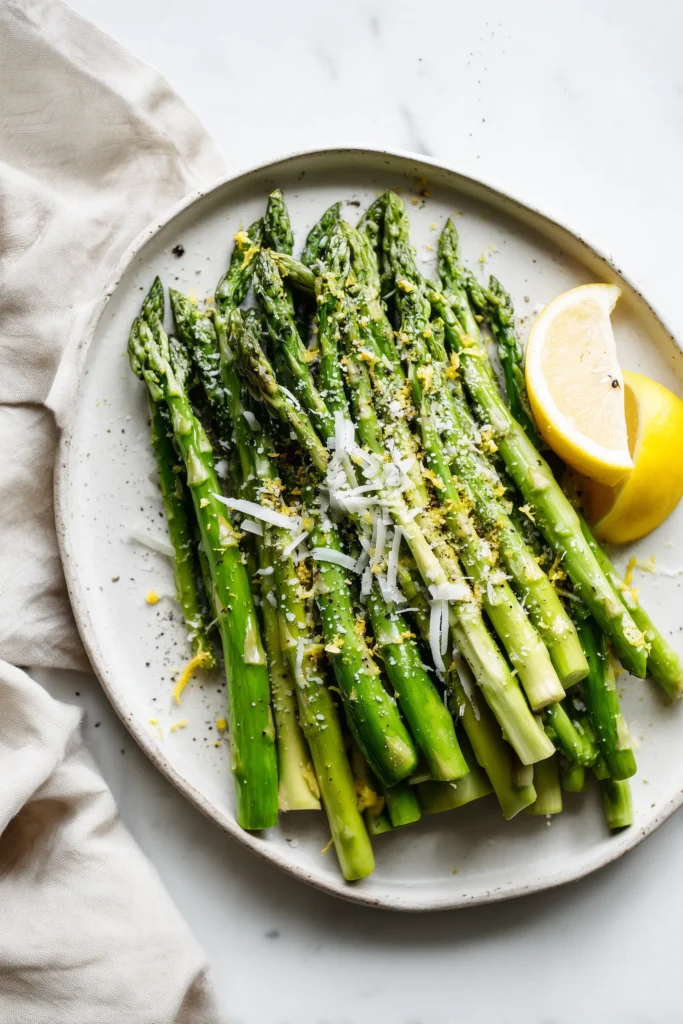
- Simple garnish magic: Slide onto a warm platter, drizzle olive oil, add lemon zest, flaky salt, and a shower of shaved parmesan or toasted almonds for sparkle and crunch.
- Spring celebrations: Nestle alongside baked ham, herby roast lamb, quiche, or smoked salmon toasts. A spoon of hollandaise makes it holiday-fancy in a heartbeat.
- Weeknight shortcut: Reheat and toss into pesto pasta or rotisserie chicken bowls. For more inspo, peek at my easy weeknight dinner sides.
Why does my sauteed asparagus taste bitter?
Bitterness often comes from older spears or slight overcooking. To ensure a sweet, grassy flavor, always start with the freshest asparagus you can find. When I test recipes, I’ve noticed that even a little bitterness is easily balanced by a squeeze of lemon juice or a rich fat like butter.
How can I prevent my asparagus from being stringy?
You can prevent stringiness by peeling the lower half of very thick stalks. Before cooking, I sometimes use a simple vegetable peeler on the bottom two inches to remove that tough, fibrous skin. It’s an easy extra step that guarantees every single bite is perfectly tender from tip to stem.
Can I use white or purple asparagus for this recipe?
Yes, you can absolutely use white or purple asparagus with minor adjustments. I find that white asparagus, being thicker, benefits from peeling and needs a few extra minutes to cook. Purple asparagus is wonderfully sweet and cooks just like green, though its beautiful color will deepen in the pan.
Can I prepare this dish in advance for a party?
Yes, you can prep the asparagus ahead and finish it just before serving. I often blanch the spears for 60 seconds and shock them in an ice bath to lock in the color. Pat dry and refrigerate, then simply sauté for 2-3 minutes right before dinner. It’s a great trick for stress-free hosting.
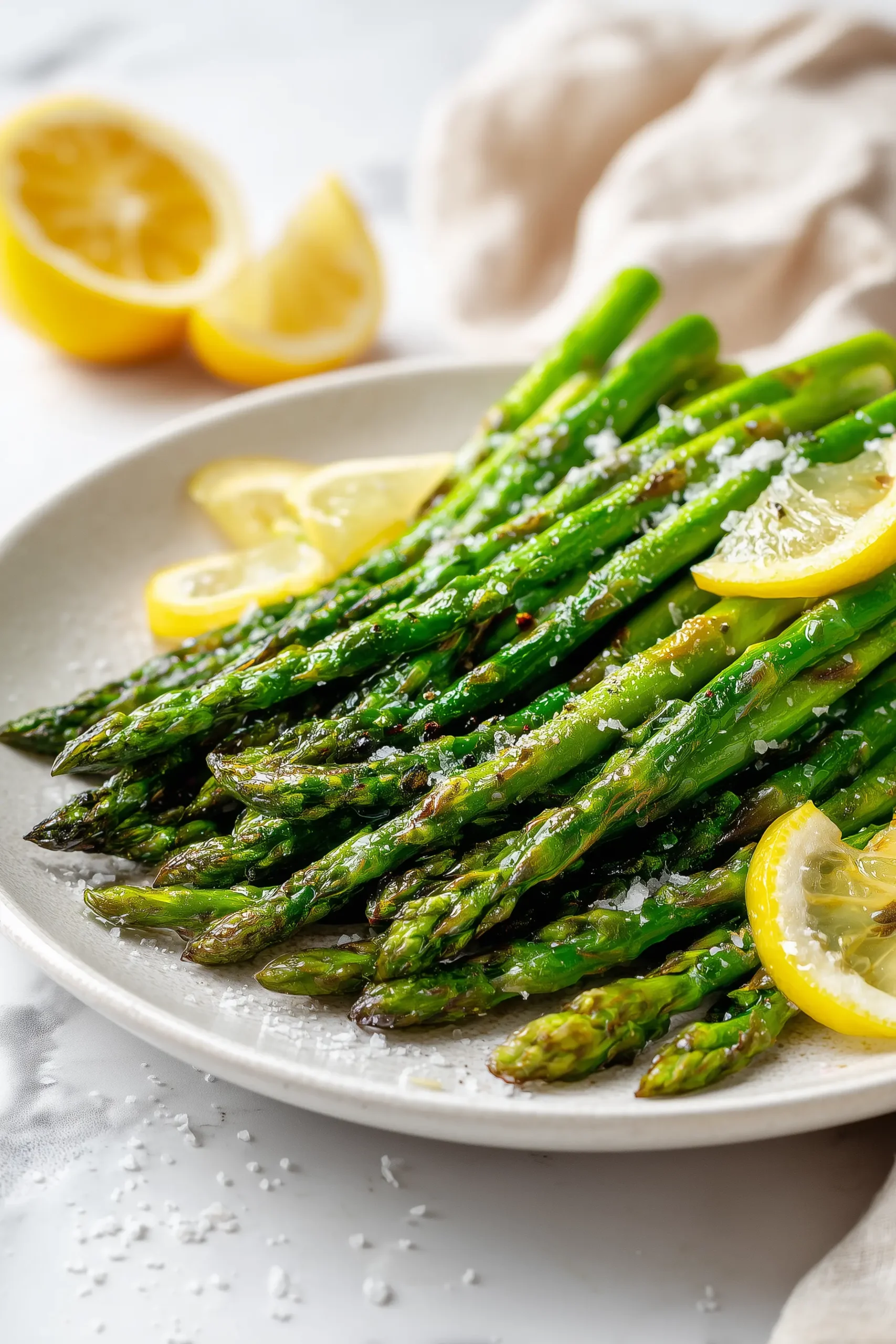

Sauteed Asparagus with Lemon
Ingredients
Equipment
Method
- Heat the olive oil in a medium skillet over medium heat. Add the asparagus, salt, and several grinds of pepper and sauté, stirring often, for 3 to 6 minutes, or until tender. The timing will depend on the thickness of your spears.
- Remove from the heat and toss with the lemon juice. Season to taste and serve.