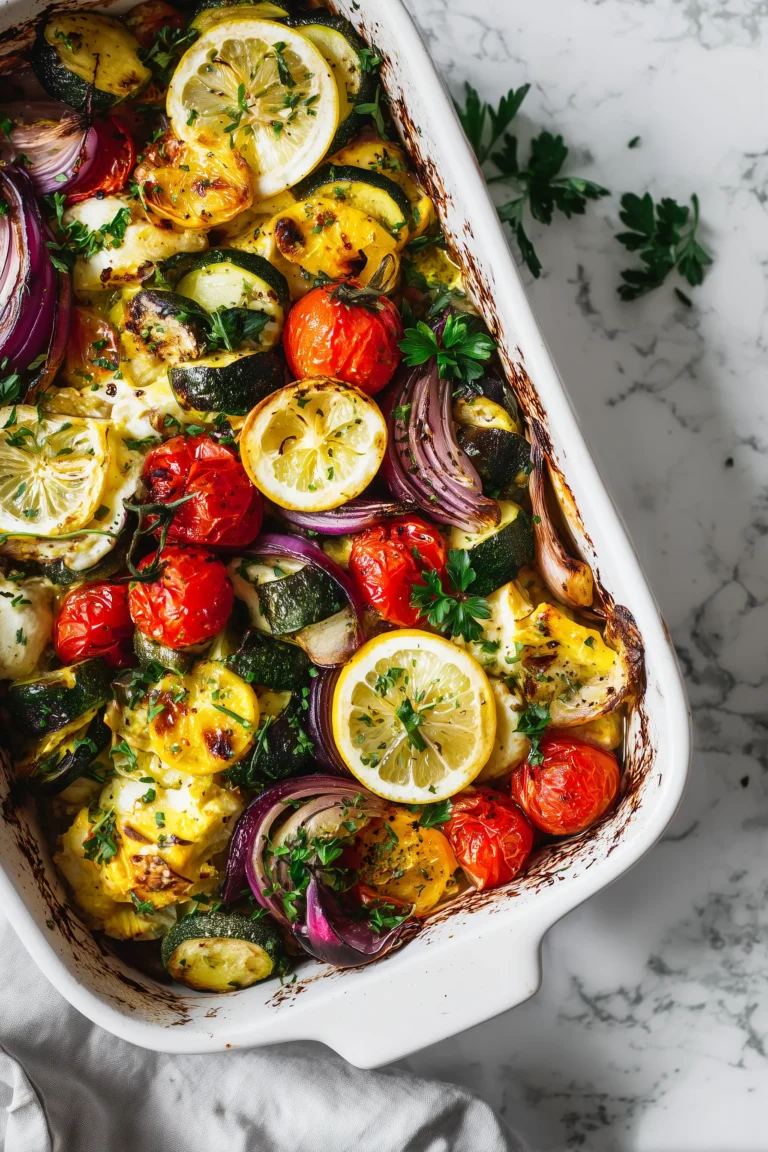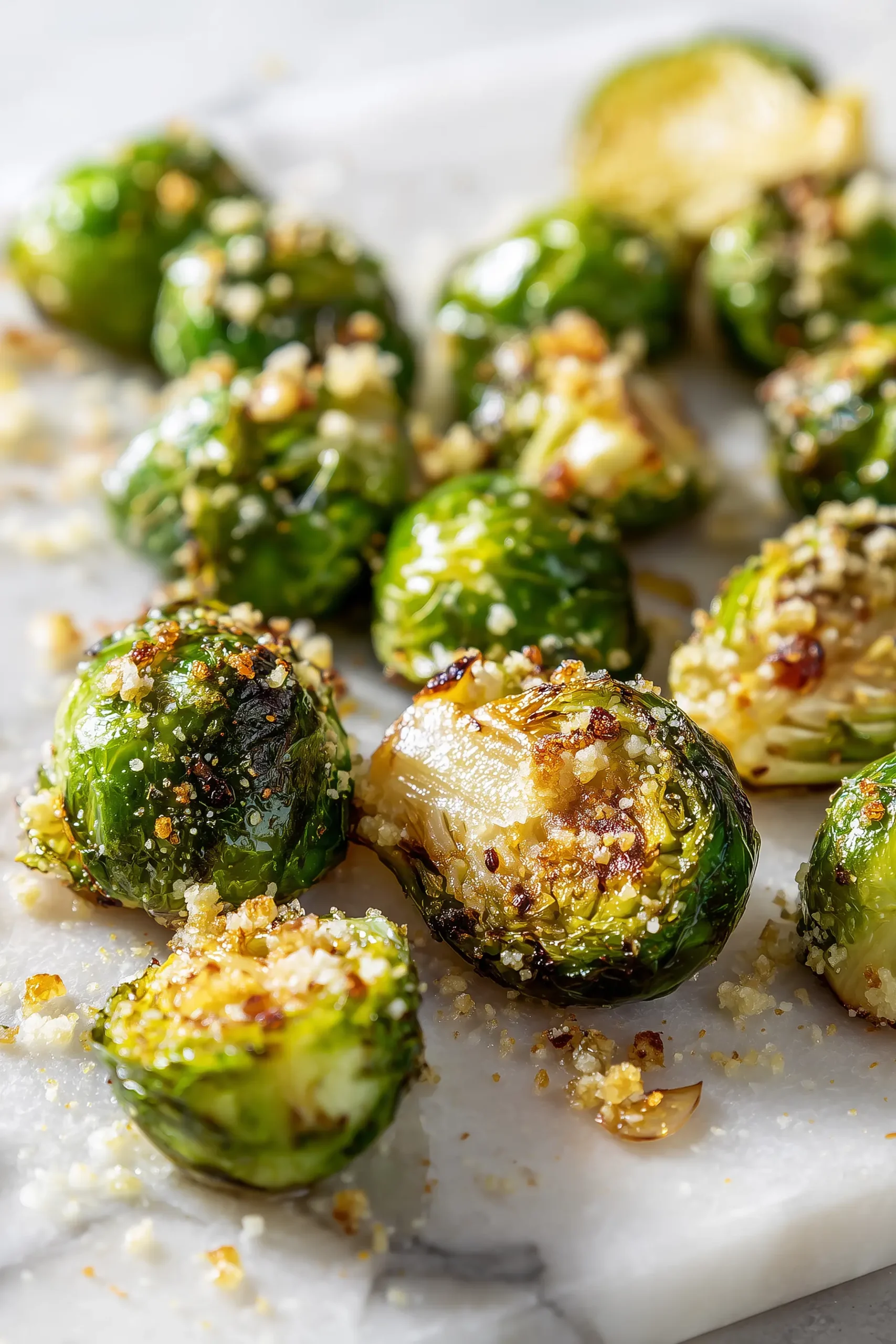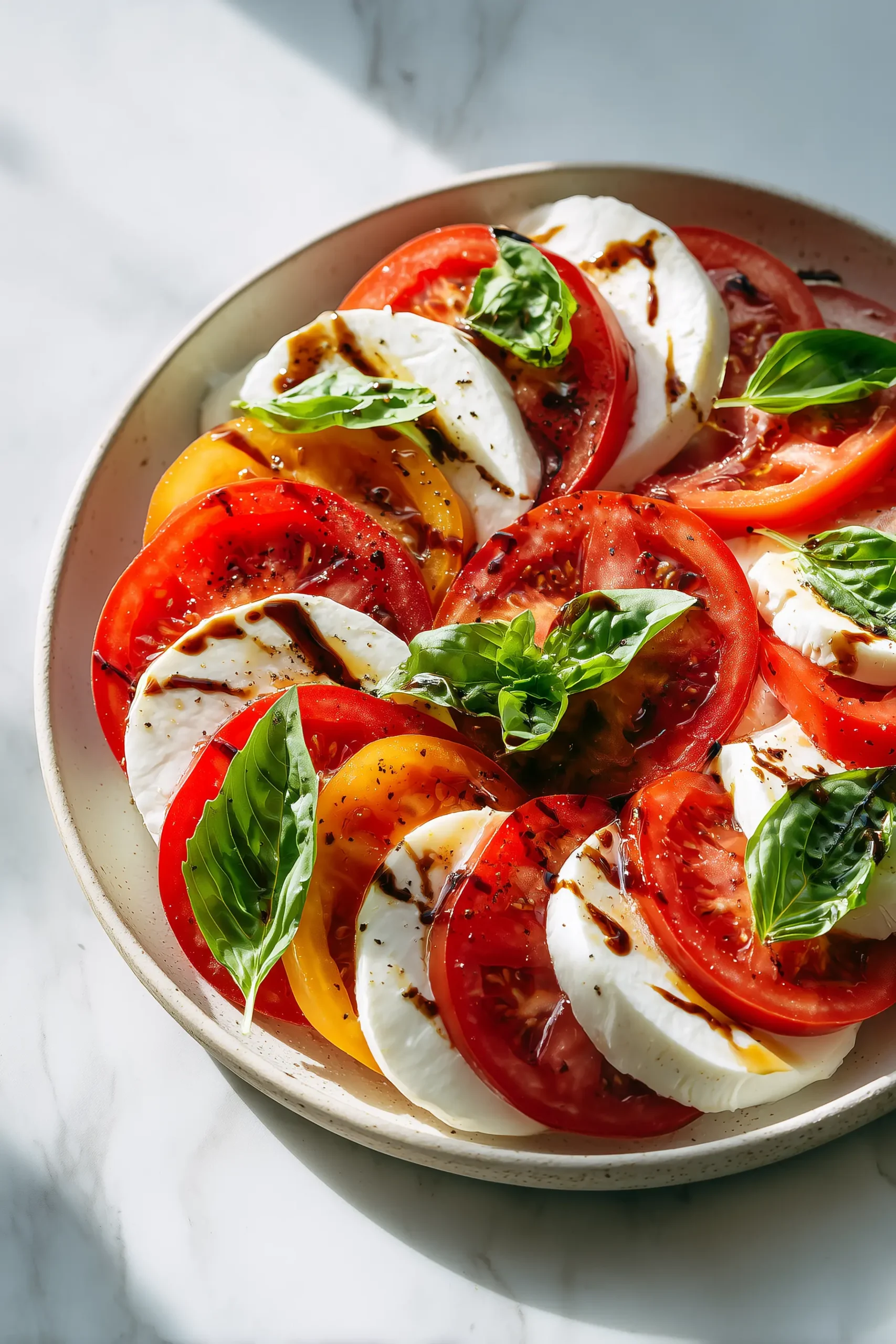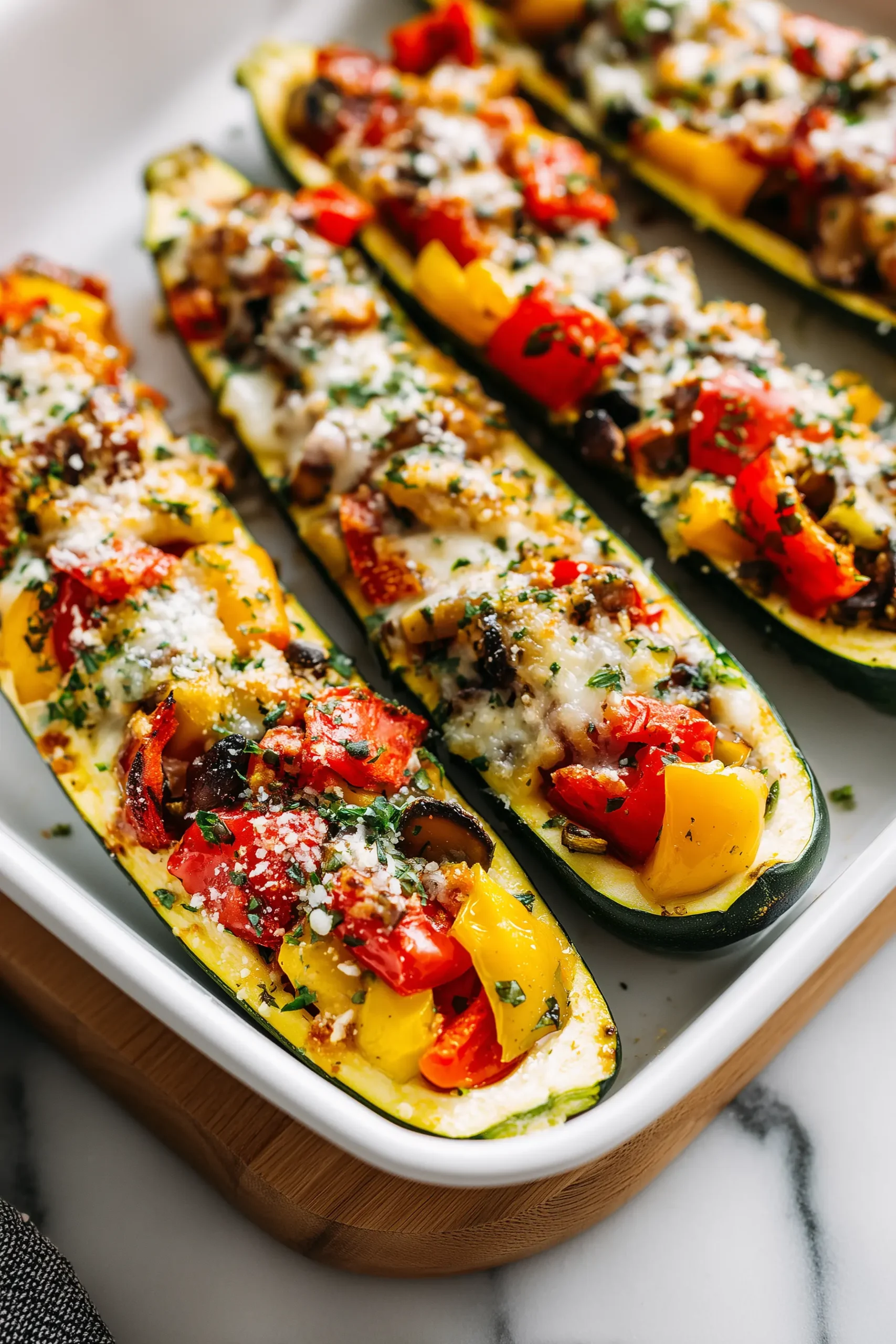
Crispy-Edge, Garlicky Good: Flavorful Sauteed Vegetables in One Skillet
This recipe for flavorful sauteed vegetables delivers crisp-tender, caramelized veggies fast using high heat, simple herbs, and a bright finish.
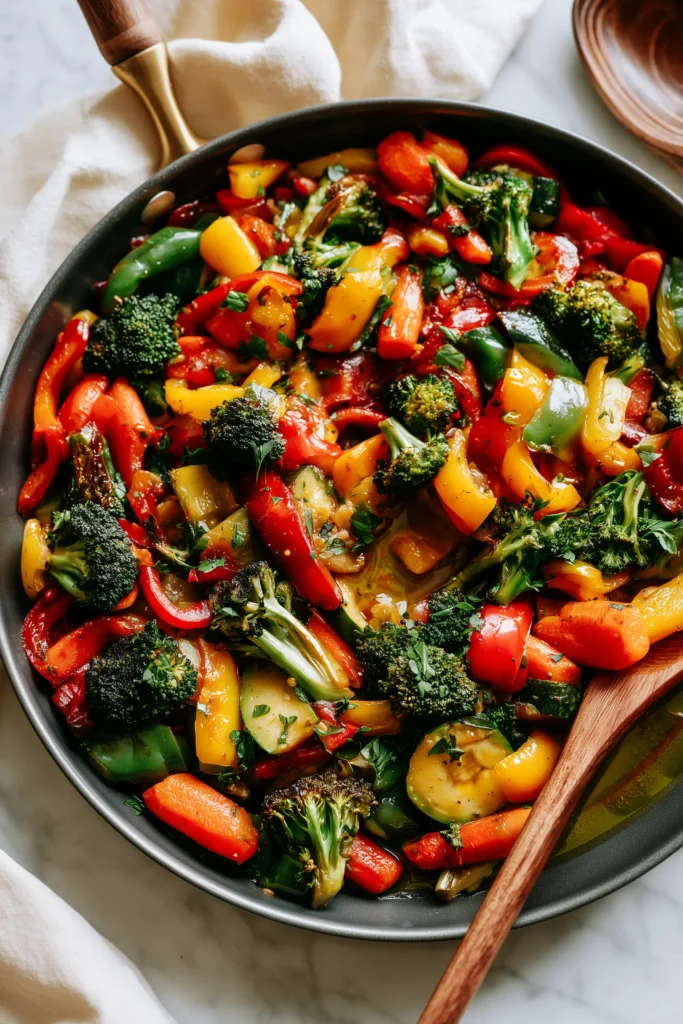
Think sizzling edges, garlicky steam, sweet onion warmth, and pops of color that taste bright, cozy, and a little bit irresistible.
I learned this in my tiny New York kitchen, where Mom taught me to wait just a beat so the pan could do its magic, and suddenly weeknights felt calmer.
What makes mine different is the don’t-stir window in a wide cast-iron skillet and a gloss of olive oil that builds golden fond, then a quick toss for even browning without sogginess.
You’ll get confident, crowd-pleasing veg in minutes grab your pan, and let me show you exactly how to pull this off.
Why these cozy skillet veggies belong in your weekly rotation
- Golden, craveable flavor A ripping-hot cast-iron skillet and a brief don’t-stir window build caramelized edges, while onion, garlic, oregano, basil, and a pinch of heat make truly flavorful sauteed vegetables.
- Weeknight-easy, meal-prep smart It’s one pan, pantry-friendly, and cooks in minutes; chop ahead on Sundays, then rewarm for bowls, wraps, or eggs all week with zero stress.
- Best tools and ingredients Use a wide cast iron or stainless skillet, olive or avocado oil for clean richness, and sturdy veggies like bell peppers, broccoli, carrots, and zucchini for color and texture.
- Never soggy, never bland Pat veggies dry, preheat until oil shimmers, avoid crowding, and stir less; finish with lemon or vinegar and a pinch of salt. Peek at easy veggie side dishes for inspo.
Ingredient breakdown & simple swaps
For evenly cooked, flavorful sauteed vegetables, cut with intention: slice onion thin so it softens quickly and sweetens the pan; smash-mince garlic so it blooms without burning; cut bell peppers into tender strips; break broccoli into small bite-size florets; slice carrots into thin coins or matchsticks; and slice zucchini into half-moons so it browns, not steams.
Olive oil brings a cozy, peppery richness. For a deeper sear, use avocado oil; for comfort, finish with a small pat of butter or ghee. Dried oregano and basil give an herby backbone, while red pepper flakes add a gentle hum. Salt early to wake up flavors, then finish with black pepper for warmth.
Layer on easy add-ins: a shower of fresh basil or parsley, lemon zest or a squeeze of juice, extra garlic, or a sprinkle of Parmesan or feta. No peppers? Swap mushrooms or snap peas. Out of broccoli? Use cauliflower. Trade zucchini for yellow squash, onion for shallot, or use Italian seasoning if that’s what’s in your pantry vegetable staples.
Step-by-step: from raw veggies to caramelized perfection
- Prep and dry
Pat veggies very dry with a clean towel so they sizzle instead of steam. Moisture is the enemy of browning. - Heat the pan generously
Warm a large skillet with enough oil to lightly gloss the surface. A roomy pan gives you golden edges, not mush. - Start with aromatics
Slide in onion until it softens and smells sweet. Add garlic briefly so it blooms, not burns. - Add sturdy veggies first
Carrots and broccoli go in and spread into a single layer. Let them sit to build caramelized spots before stirring. - Layer in quick-cooking veggies
Toss in peppers and zucchini, coating everything in the glossy oil. Keep an even layer for steady heat contact. - Season at the right moment
When veggies look shiny, push them aside and sizzle oregano, basil, and red pepper flakes in a little oil, then toss. Salt and pepper after that. - Stir with intention
Stir only when you see browning at the edges. Otherwise, leave them alone so flavor can develop. - Watch the visual cues
Colors should turn vivid with toasty golden freckles. If the scent shifts bitter or spots look nearly black, ease the heat and toss. - Choose your texture
For crisp-tender, stop when the centers still have a gentle snap. For softer, splash a touch of water, cover briefly, then uncover to drive off moisture. - Finish with brightness
Toss with lemon, a tiny splash of vinegar, or fresh herbs. That little lift makes flavorful sauteed vegetables sing. - One-pan game plan
Sear a quick protein first, set aside, then cook veggies and return it to warm through. For grains, stir in cooked rice or quinoa with a spoonful of pan juices for easy one-pan dinner ideas. - Taste and serve
Adjust salt, add a final drizzle of olive oil, and crack fresh pepper. Serve hot and cozy.
My best cozy-kitchen tips for success every time
- Start drier than you think: Pat veggies dry; extra moisture steams and turns crisp hopes into mush.
- Use a wide, heavy skillet: More surface equals better browning; cast iron or stainless builds flavor-rich fond.
- Don’t crowd the pan: Cook in batches so pieces sear, not steam, and those caramelized edges can form.
- Stir, then let it rest: Toss to coat, then pause; undisturbed contact is how you get golden, flavorful sauteed vegetables.
- Layer flavor smartly: Soften onion and garlic first, add hearty veg, deglaze with a splash of lemon or vinegar, finish with flaky salt.
- Kid-friendly tweaks: Skip heat, add a pat of butter, sprinkle parmesan; carrots and peppers keep it sweet. Kitchen Testing Note: I once crowded the pan batching fixed it. More in beginner cooking tips.
Fun twists, mix-ins, and make-it-your-own ideas
- Italian market vibes – lean into oregano and basil, add sun-dried tomatoes, a balsamic drizzle, and finish with Parmesan and torn basil.
- Zesty Mexican spin – season with cumin and chili powder, fold in black beans, then brighten with lime, cilantro, and a sprinkle of cotija.
- Asian-style sizzle – sauté ginger and scallions with the garlic, splash in tamari and rice vinegar, then finish with toasted sesame oil and seeds.
- Make it a meal – toss these flavorful sauteed vegetables with quinoa or farro, stir in chickpeas, or top bowls with a jammy-yolk fried egg.
- Low-effort upgrades – dollop pesto or romesco, melt a pat of garlic butter, crumble feta or goat cheese, or shower with toasted nuts or pepitas.
- Cook the seasons – spring asparagus, peas, lemon; summer cherry tomatoes and corn; fall mushrooms and sage; winter kale, cauliflower, extra chili flakes. For even more riffs, see simple vegetable variations.
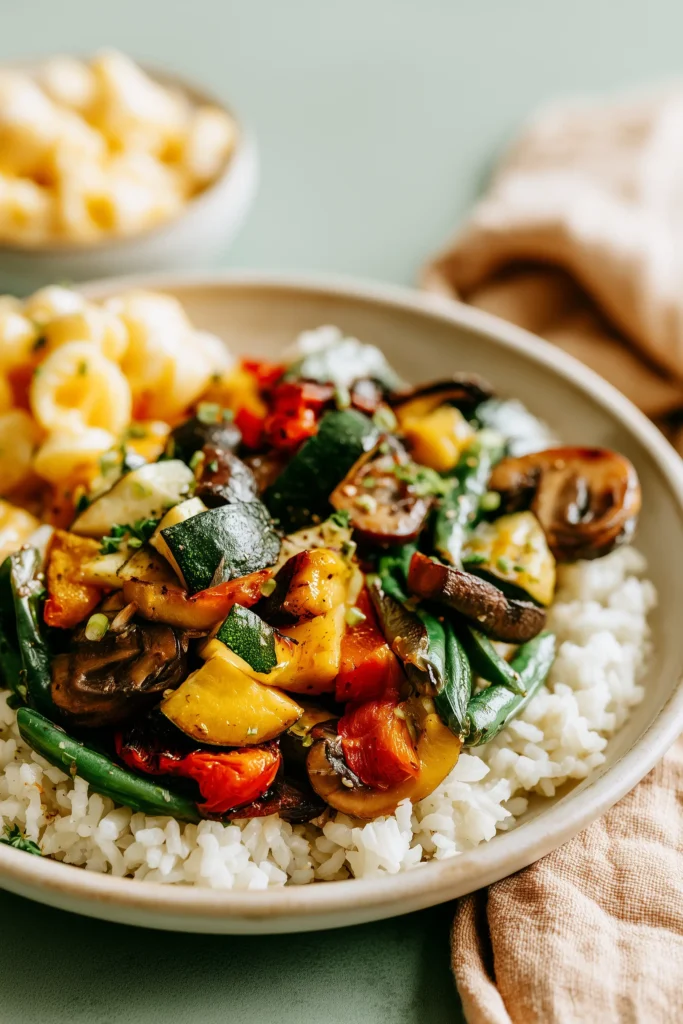
How to store and reheat without losing that lovely texture
- Fridge Storage: Cool flavorful sauteed vegetables quickly on a tray, then pack into shallow, airtight glass containers. Refrigerate 3–4 days; rapid cooling prevents condensation so edges stay tender, not soggy.
- Reheat for Crisp Edges: Use a hot skillet with a slick of oil; toss until you hear a lively sizzle. Air fryer works too. Avoid covered reheating and long microwaving, which steams.
- Freezer Tips: Peppers, onions, carrots, and broccoli freeze well; zucchini softens. Freeze on a sheet, then bag flat with air pressed out for up to 2 months. Reheat from frozen.
- Refresh & Finish: Brighten with lemon or vinegar, chopped herbs, a pinch of flaky salt, and a drizzle of olive oil. See meal prep and storage for extra ideas.
Easy ways to serve these veggies with what you already have
- Twirl with pasta: Toss with hot spaghetti or penne, a splash of pasta water, lemon, and Parm.
- Pile over grains: Scoop onto rice, quinoa, or farro; add chickpeas or rotisserie chicken for heft.
- Eggs, anytime: Slide alongside soft-scrambled eggs, fold into omelets, or bake into a quick frittata.
- Tacos, wraps, and bowls: Tuck into warm tortillas or wraps, or build grain bowls; add salsa, avocado, and melty cheese.
- Appetizer or brunch: Spoon over whipped ricotta crostini, creamy polenta, or garlicky toast with a drizzle.
- Sauces that sing: These flavorful sauteed vegetables love pesto, chimichurri, tahini-lemon, romesco, or balsamic glaze see what to serve with vegetables for more.
Why are my vegetables burning instead of browning?
Your pan is likely too hot or the sugars in the vegetables are burning before they can caramelize. Don’t worry, it’s an easy fix! When I notice this, I immediately turn down the heat and toss them more frequently. A tiny splash of water will deglaze the skillet and help them cook evenly.
Can I use frozen vegetables for this recipe?
Yes, you can use frozen vegetables, but do not thaw them first for the best texture. Sauté them directly from frozen in a very hot, oiled skillet. I’ve found this helps drive off moisture quickly so they can still get nice color instead of steaming. Just be mindful of a little extra spatter.
How can I make these sautéed vegetables more filling?
Easily turn them into a complete meal by adding more protein and fiber. After sautéeing, I love to stir in a can of drained chickpeas or white beans to warm through. Serving them over a bed of quinoa not only makes the dish heartier but also adds valuable plant-based protein.
Why did my vegetables seem oily instead of caramelized?
This happens when there is too much oil in the pan for the amount of vegetables. You only need a thin, shimmering layer to promote browning, not a pool. When I accidentally add too much, I just use a slotted spoon to lift the finished veggies out, leaving the excess oil behind.
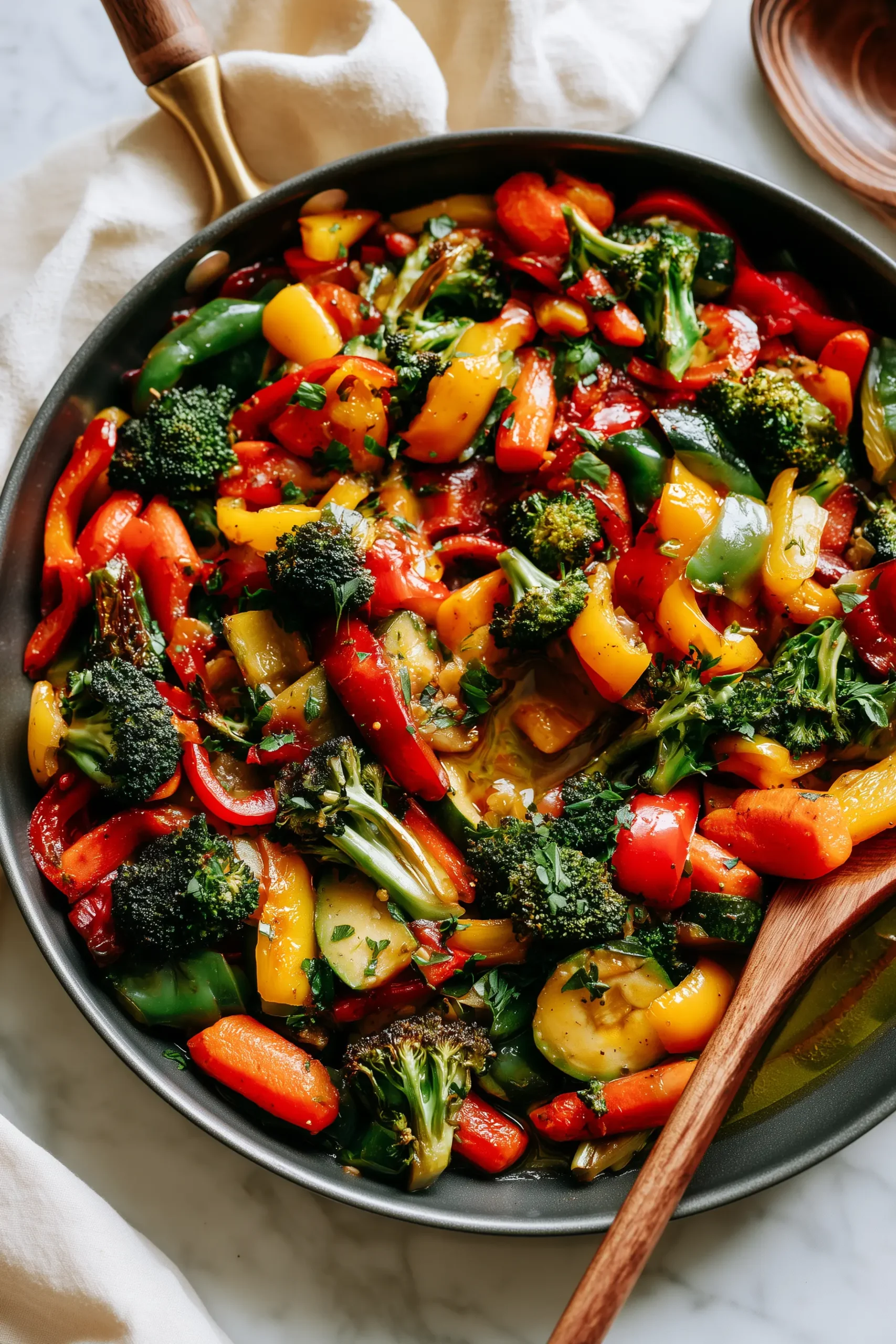

Flavorful Sautéed Skillet Vegetables
Ingredients
Equipment
Method
- Heat olive oil in a large skillet over medium heat.
- Add chopped onion and sauté for 2 to 3 minutes until translucent.
- Stir in minced garlic and cook for another 30 seconds until fragrant.
- Add bell peppers, broccoli, carrots, and zucchini to the skillet and toss to coat.
- Season with dried oregano, dried basil, red pepper flakes, salt, and black pepper.
- Cook vegetables for 6 to 8 minutes, stirring occasionally, until tender-crisp.
- Taste and adjust seasoning as needed, then remove from heat.
- Serve immediately as a side dish or over rice.