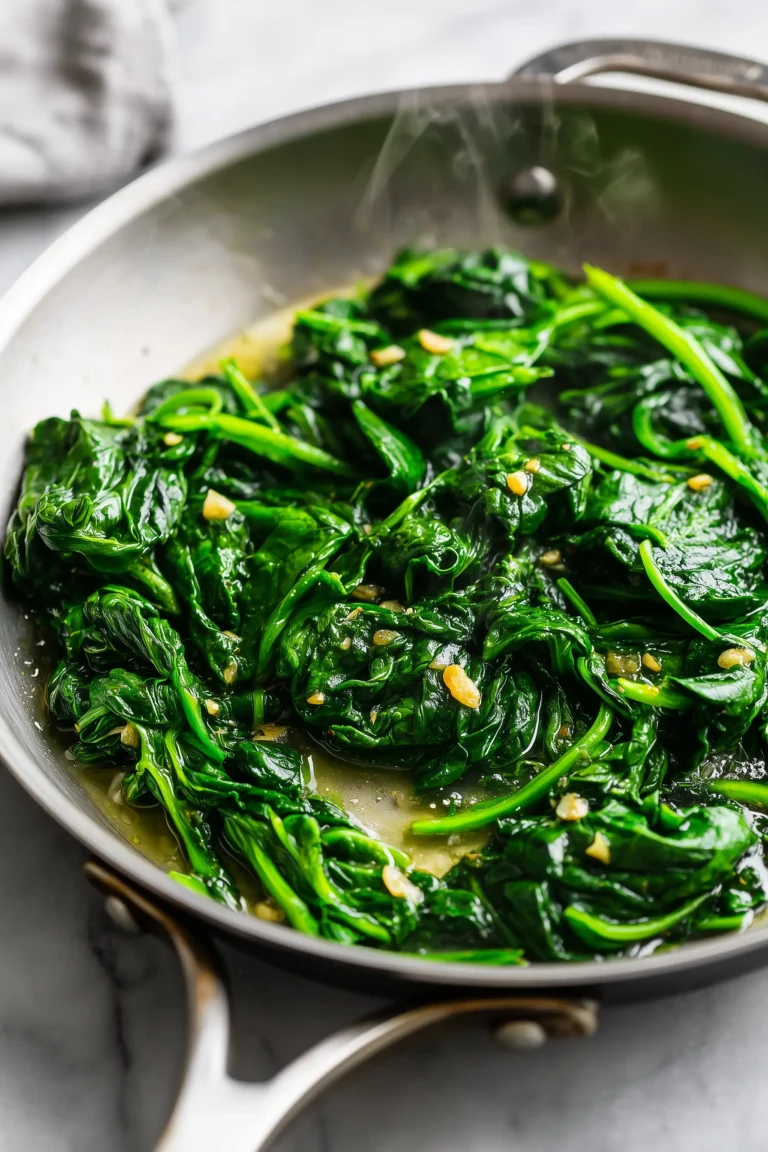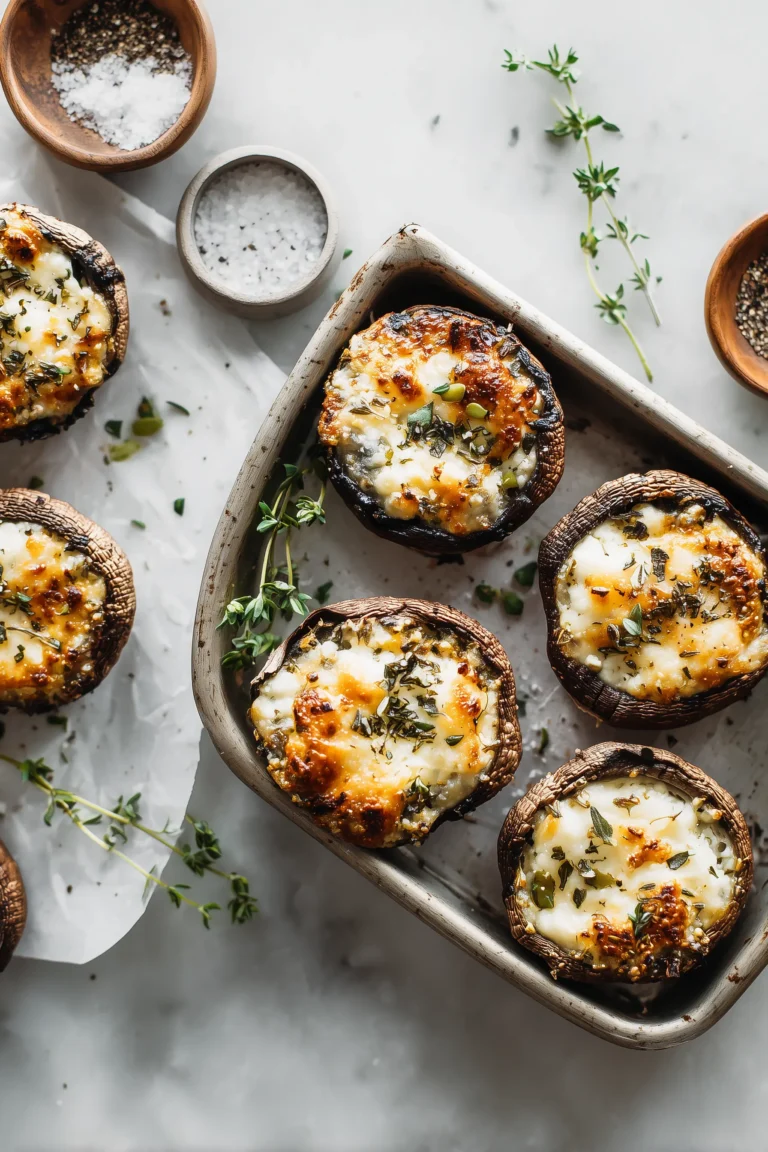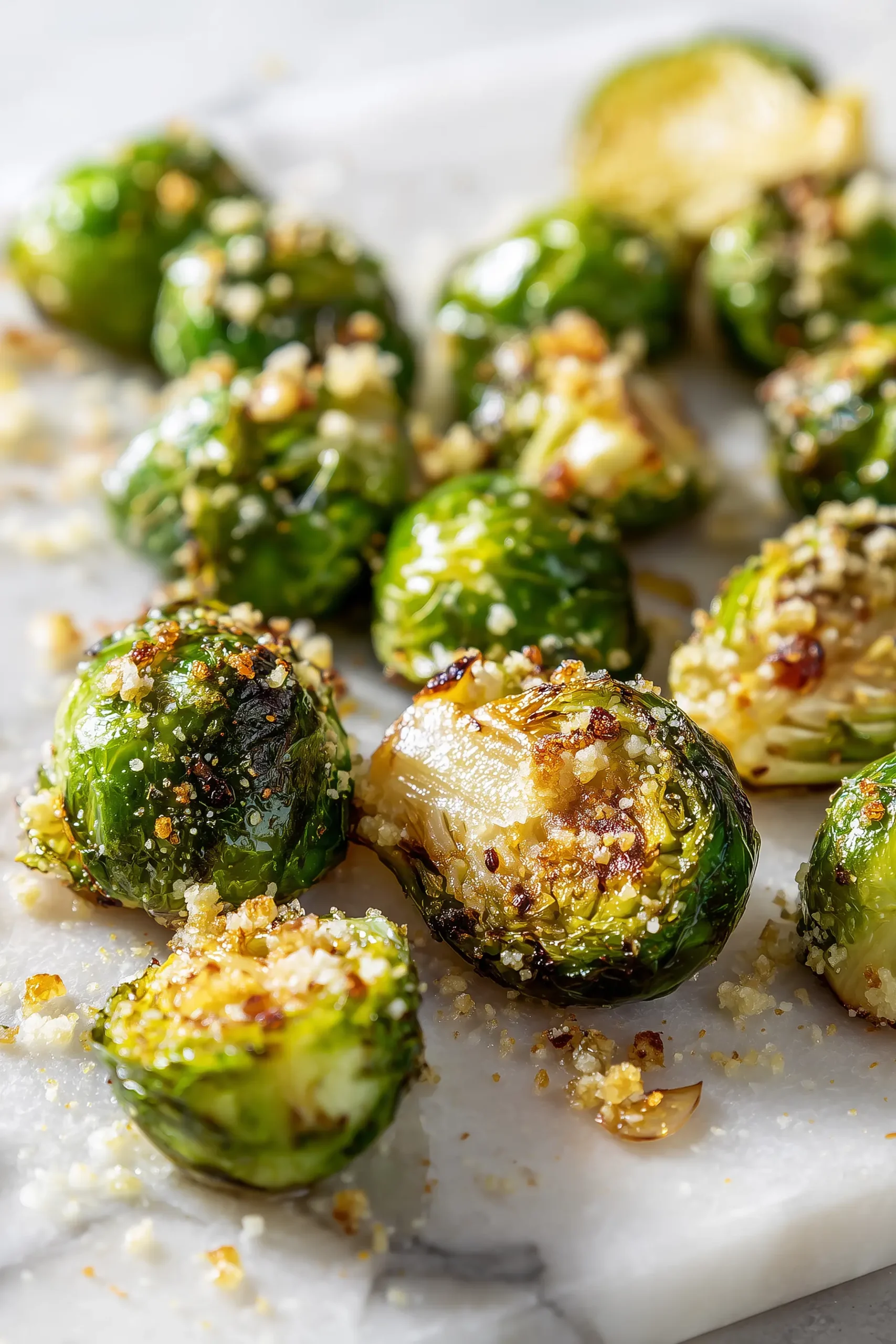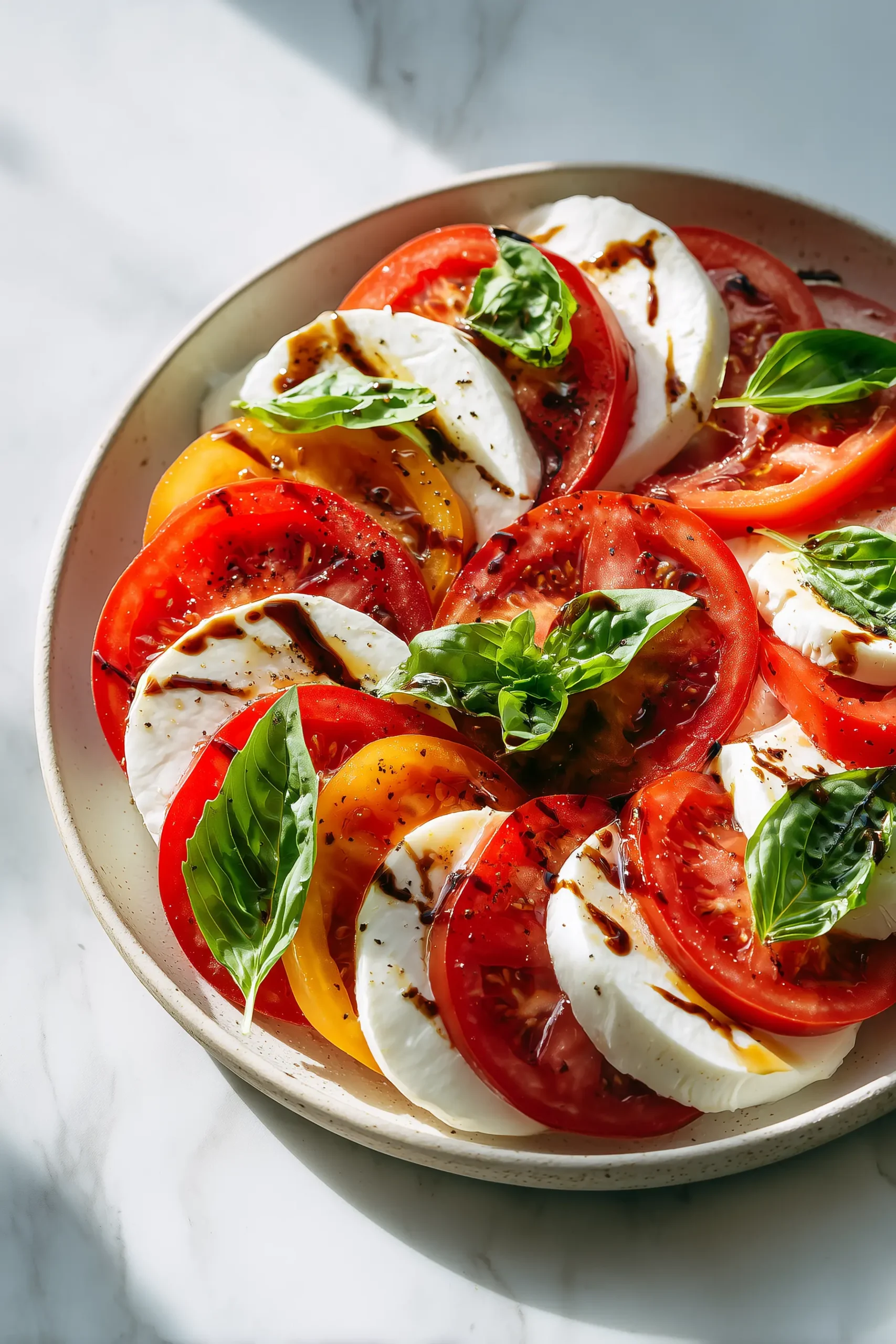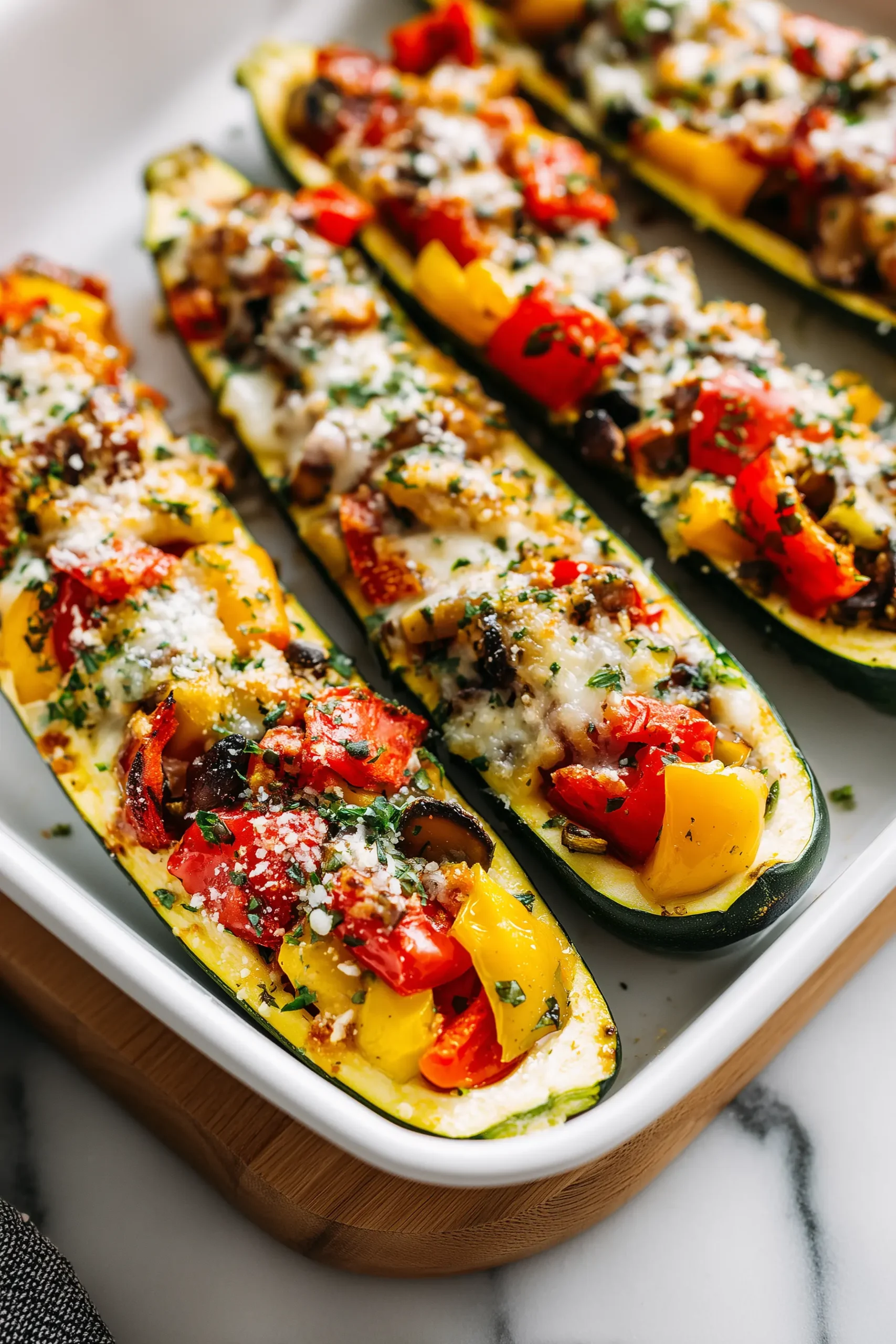
15-Minute Tender-Crisp Sautéed Veggie Skillet
This recipe for Sauteed Vegetables delivers tender‑crisp, golden‑edged veggies in one skillet in about 15 minutes with a no‑fuss stovetop method.
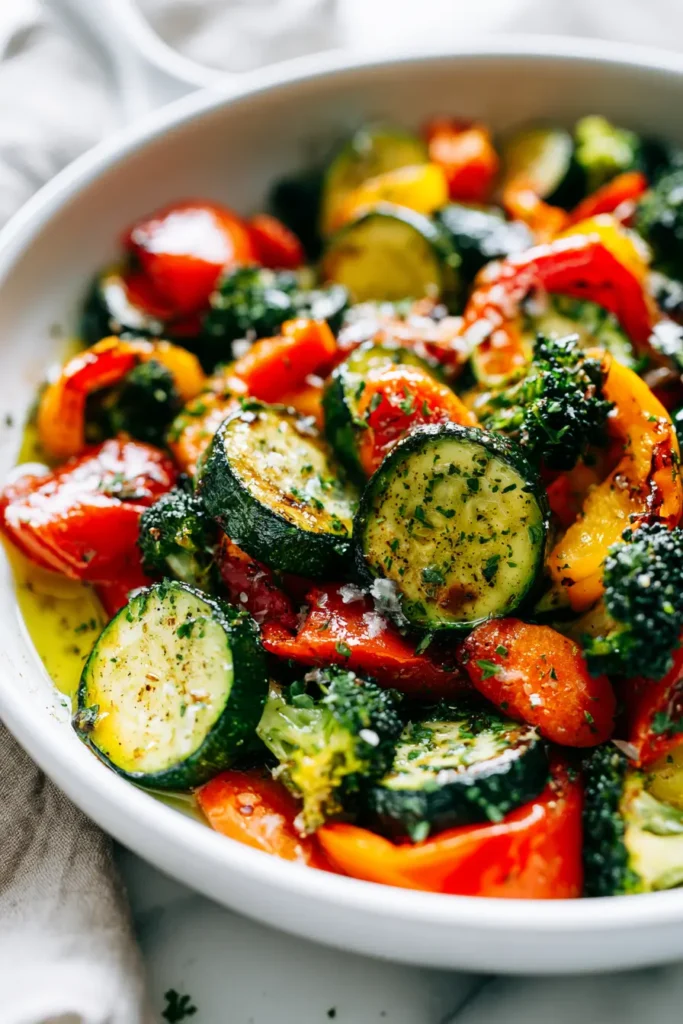
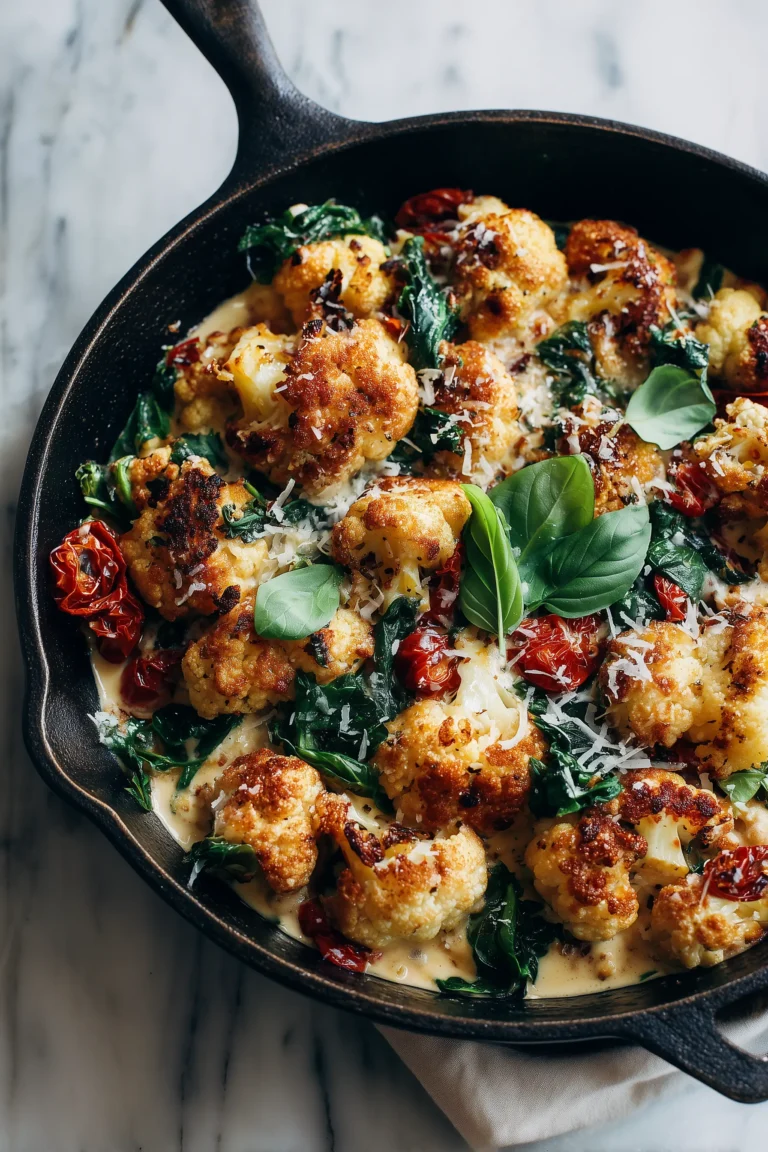
Think glossy peppers and broccoli with caramelized edges, garlicky warmth, a whisper of lemon, colors that pop, steam that curls up, and that cozy kitchen sizzle. I learned this in my tiny New York kitchen, where Mom taught me that a hot pan and patience turn simple produce into dinner, especially on weeknights when groceries run low and everyone’s hungry. My method layers sturdier veg first, then adds quicker cookers, finishing with an herby gloss, using a cast iron skillet and lemon for balanced flavor, tender crunch, and zero babysitting. You’ll get colorful, confident results every time now let me show you exactly how to pull this off.
Why This Easy Veggie Skillet Belongs in Your Rotation
- Weeknight-easy and budget-savvy: A handful of fridge veggies, one pan, zero fuss. It’s colorful, fast, and gentle on the wallet, with even more inspiration in my healthy veggie recipes.
- Big flavor, dreamy texture: Tender-crisp bites with caramelized edges, a whisper of garlic, and fresh herbs. A bright kiss of lemon wakes everything up.
- Beginner-friendly and flexible: Chop, toss, and let the sizzle do the work. Swap in what you have and use a hot cast iron skillet for those golden, satisfying bits.
- Cozy, comforting, feel-good: The kitchen smells warm and garlicky, the colors pop, and every bite tastes like care. It’s classic Nessy comfort simple, nourishing, and truly homey.
Ingredient Breakdown & Simple Swaps
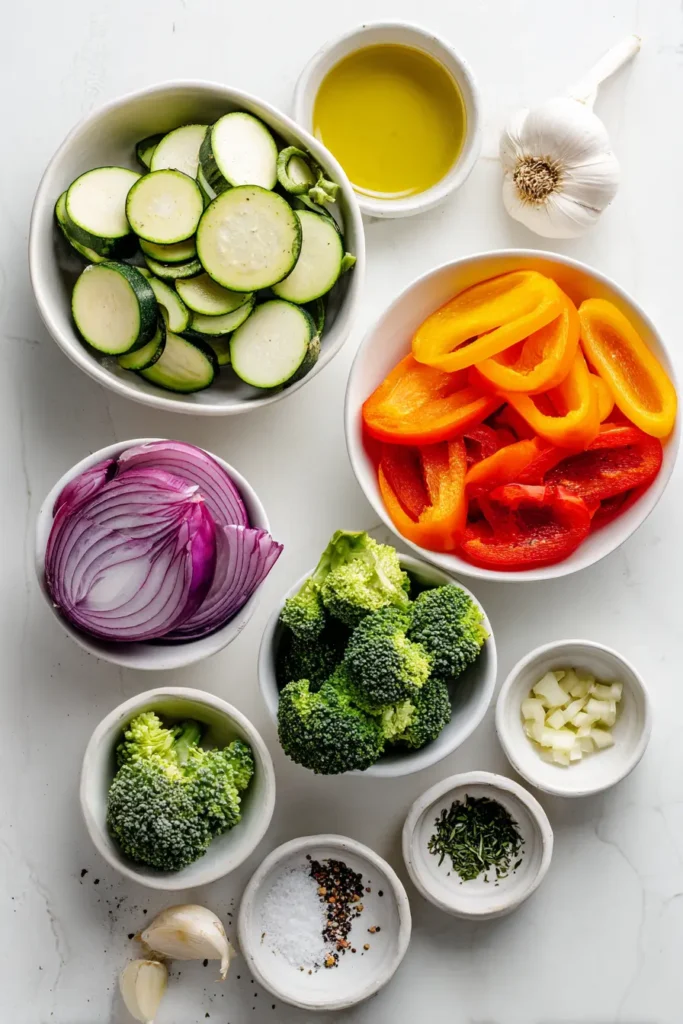
Here’s the colorful cast for Sauteed Vegetables and what each adds. Bell peppers bring sweet snap, onions a savory base, carrots sturdy sweetness, and broccoli an earthy bite with charry florets. Zucchini or yellow squash cook fast and drink up flavor for buttery tenderness. No peppers handy? Green beans, cauliflower, or mushrooms slot in easily. Toss in a few cherry tomatoes at the end for a juicy pop.
Pick a fat that fits your heat. Olive oil gives fruity warmth, avocado oil handles higher heat, and a pat of butter or ghee at the end adds nutty gloss. Build flavor with garlic, fresh thyme, and parsley, then play with paprika, Italian seasoning, or cumin. A splash of soy sauce, lemon, or light vinegar wakes up the whole pan.
Season with salt and pepper in layers, then finish with lemon, parmesan, red pepper flakes, and herbs. Swap by season: asparagus and peas in spring, corn and basil in summer, mushrooms and Brussels in fall, cauliflower and kale in winter. If you’re new to how to cook vegetables, treat this as a friendly mix-and-match template.
How to Build Flavor in the Pan
Choose a wide, heavy skillet cast iron or stainless steel so veggies have room to sear, not steam. Preheat over medium-high until a thin sheen of oil shimmers; you should hear a happy sizzle when the first piece hits. If you love easy wins like this, peek at my other simple skillet recipes.
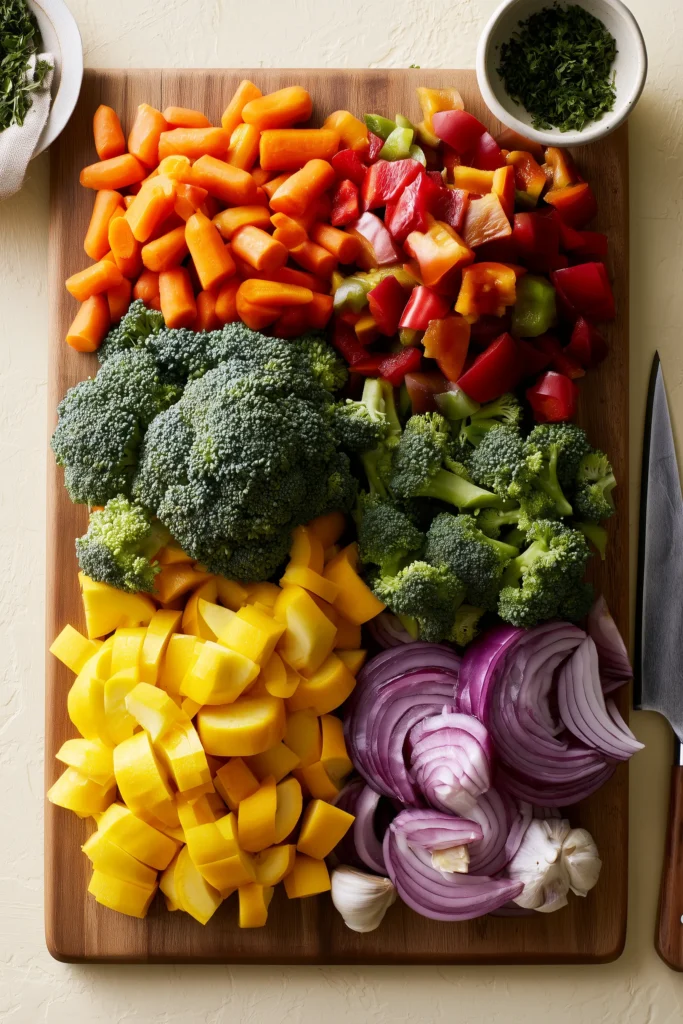
Cut for even cooking: sturdy veggies like carrots and broccoli stems go a bit smaller or thinner; quick-cook veggies like bell peppers and squash can be slightly chunkier. Aim for bite-size pieces with plenty of flat sides to caramelize.
Layer by density. Start with hard veggies and onions to build sweet, browned fond, then add quicker-cooking veggies. Save delicate aromatics garlic, fresh thyme for the last minute so they bloom without burning.
Cook with your senses: colors should pop, edges turn golden, and the pan should smell toasty, not acrid. Season in layers a pinch early to draw moisture, then taste and finish with salt, pepper, and a bright splash of lemon or vinegar. A pat of butter, a shower of Parmesan, or fresh herbs off the heat adds that cozy, Nessy-style finish.
My Best Tips for Golden, Flavor-Packed Veggies
- Turn up the heat. Medium-high, shimmering oil so veggies sizzle; lower slightly if browning races.
- Dry veg, hot pan. Pat dry and preheat oil; moisture steams caramelization needs contact. Finish with butter.
- Stagger sturdy to tender. Start carrots, broccoli, onions; add peppers and squash last for crisp‑tender texture.
- Give them space. Single layer, minimal stirring, or batch-cook for truly golden Sauteed Vegetables.
- Season in waves. Tiny pinch early, most at the end lemon, parmesan, herbs, plus a balsamic or honey whisper.
- Weeknight helpers. Pre-chop and chill; frozen works toss straight into hot oil. See my weeknight dinner shortcuts.
- Kitchen Testing Note. I once added just-washed veg sog city; patting dry and reheating the pan saved dinner.
Fun Ways to Mix Up the Flavor
- Italian comfort: Coat your Sauteed Vegetables in olive oil, oregano, basil, and garlic, then finish with lemon zest and a snowfall of parmesan. Peek at these vegetable seasoning blends for inspo.
- Taco-night kick: Sprinkle chili powder, cumin, and smoked paprika, then brighten with lime and a pinch of cilantro. A touch of butter with avocado oil adds cozy richness.
- Asian-inspired umami: Sizzle ginger and garlic, splash in soy or tamari, and finish with toasted sesame oil. Scatter scallions and sesame seeds for nutty aroma and pretty crunch.
- Seasonal swap-outs: Spring loves asparagus and peas; summer sings with zucchini, cherry tomatoes, and corn; fall brings mushrooms and butternut; winter shines with Brussels sprouts and sweet potato.
- Protein boost: Toss in crispy chickpeas, sliced Italian sausage, seared tofu, or shredded rotisserie chicken. Fold in at the end so everything stays juicy and golden.
- Make it a meal: Spoon over rice, quinoa, or buttery noodles, top with a jammy egg, or swirl in pesto, tahini, peanut sauce, or a glossy teriyaki glaze.
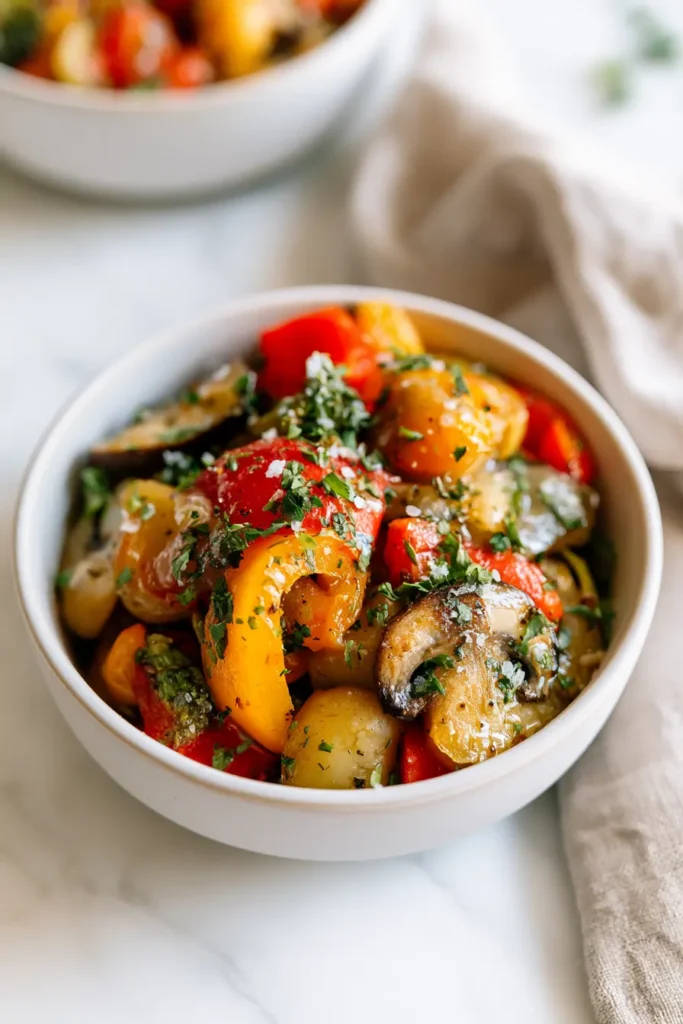
Storing, Reheating, and Make-Ahead Ideas
- Fridge storage: Cooled sauteed vegetables keep 3–4 days. Vent steam, then seal airtight safely.
- Cool + make-ahead: Spread to cool quickly, store in shallow glass. Pre-chop for the week; see meal prep vegetables.
- Reheating—skillet: Toss in a hot skillet with a little oil or butter until edges re-sizzle.
- Reheating—microwave or oven: Microwave in short bursts with a paper towel, or use a sheet pan to re-crisp.
- Freezer tips: Peppers, carrots, and broccoli freeze well; squash softens. Freeze flat, press out air, reheat from frozen.
- Leftover magic: Fold into eggs, grain bowls, quesadillas, or pasta; brighten with lemon, herbs, or parmesan.
Cozy Ways to Serve Your Veggie Skillet
- Simple side with protein — Slide your sautéed vegetables beside roast chicken, seared salmon, or crispy tofu. See these easy vegetable side dish ideas.
- Build-a-bowl — Spoon over warm rice, nutty quinoa, or twirl with buttered pasta; add lemon and an olive oil drizzle.
- Breakfast or brunch — Tuck into soft-scrambled eggs, fold into omelets, or top toast with a jammy egg and hot sauce.
- Wraps and quesadillas — Wrap it in tortillas or pitas, or press into a quesadilla; add hummus or tzatziki for creamy contrast.
- Company-worthy finish — Make it company-worthy with parmesan, fresh herbs, red pepper flakes, or balsamic glaze; toasted nuts add cozy crunch.
Can I use frozen vegetables instead of fresh?
Yes, you can absolutely use frozen vegetables for a quick sauté. Don’t thaw them; add them straight to a hot, oiled skillet. When I test this, I find they need an extra minute to let the water evaporate. Resisting the urge to stir immediately helps them sear instead of steam.
Why did my vegetables get soggy instead of browned?
Your vegetables likely got soggy because the pan was too crowded or not hot enough. Don’t worry, it’s an easy fix! I learned to work in batches if my skillet is small. Overcrowding causes veggies to steam in their own moisture, so giving them space is crucial for that delicious, high-fiber, caramelized crust.
What if I don’t have a cast iron skillet?
No cast iron? You can definitely use a large non-stick or stainless steel skillet. You will still get delicious, tender results. From my experience, a non-stick pan may not produce the same deep char as cast iron, but ensuring the pan is very hot before adding your vegetables helps immensely.
How do I keep my garlic from burning?
To prevent burnt garlic, add it during the final 30 to 60 seconds of cooking. I love this simple trick for perfect sauteed vegetables. I just push the other veggies aside and cook the minced garlic in the center for a moment until fragrant before tossing it all together for that wonderful aroma.
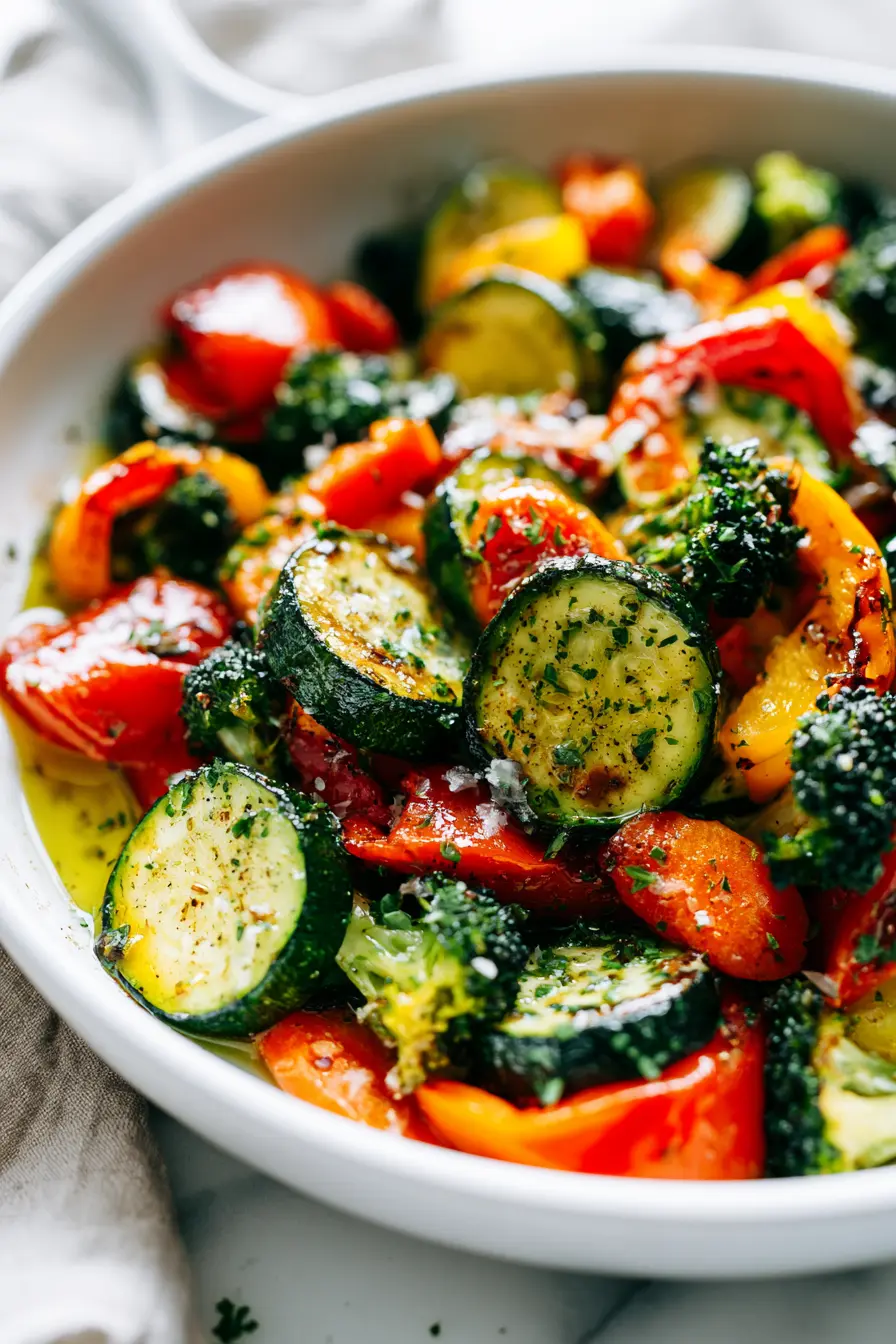

Sauteed Vegetables (Easy Veggie Skillet)
Ingredients
Equipment
Method
- Heat olive oil in a 12-inch skillet over medium-high heat until shimmering.
- Add bell pepper, carrots, onion, and broccoli. Sauté for 4 minutes, tossing occasionally so the vegetables can brown slightly.
- Add the squash and sauté for 3 minutes.
- Toss in the garlic and thyme, season with salt and pepper to taste, and sauté for 2 minutes more, or until vegetables are just tender.
- Sprinkle with parsley and lemon juice; toss to combine. Serve with Parmesan if desired.